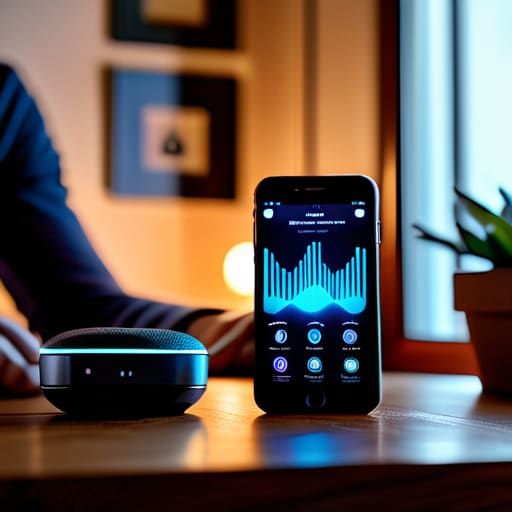

I remember sitting in my classroom during my final year of teaching, staring at a projector that refused to cooperate. The students were restless, the air smelled of stale chalk, and despite every button I pressed, the silence was absolute. It is incredibly frustrating when you are staring at a device that should be working, yet you are met with nothing but a void. Most tech support guides will try to sell you a new sound card or a subscription to some “optimization” software, but they are usually just masking the symptoms. If you are searching for how to fix audio that will not play, you don’t need a digital miracle; you need to find where the signal is getting lost in the machine.
I am not going to give you a list of vague, theoretical steps that assume you have a degree in computer science. Instead, I’m going to treat your computer like one of my old pendulum clocks—we are going to look at the actual path the electricity takes from the software to your ears. I will show you how to trace the invisible connection, from the software settings down to the physical jack, until we find the break in the chain. My goal is to ensure that by the time we are done, you don’t just have sound again, but you actually understand the mechanism behind the silence.
Unmasking the Silence No Sound From Speakers Troubleshooting
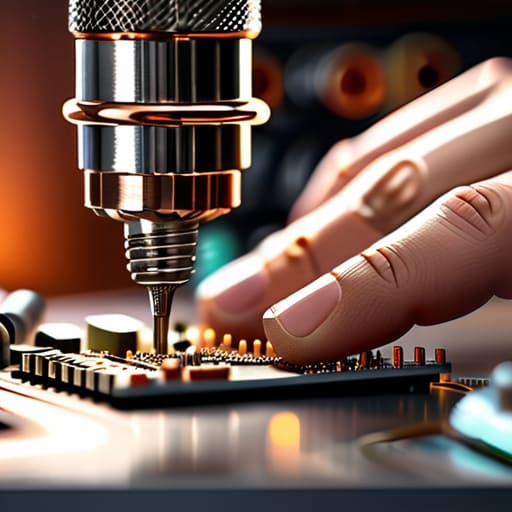
I spent my afternoon with a screwdriver and a set of precision tweezers, peering into the guts of an old desktop tower, but the real mystery isn’t always the hardware. Usually, the silence is a ghost in the machine—a logical error rather than a broken wire. When I sit down to perform some no sound from speakers troubleshooting, I always start by looking at the most obvious physical failure points. I check if the jack is actually seated; sometimes a bit of lint in the port acts like a physical insulator, preventing the electrical signal from ever reaching the diaphragm.
If the wires are intact, the problem is likely a digital misdirection. I’ve spent many afternoons squinting at a screen, realizing the computer is simply shouting into a void because the audio device playback settings are pointing toward a phantom output. It’s like a clock where the gears are spinning perfectly, but the hands aren’t connected to the spindle. You might think you need a complex repair, but often you just need to check audio output device selection to ensure the signal is actually being routed to the speakers you are currently touching.
The Invisible Hand a Sound Driver Update Windows Guide
Sometimes, the problem isn’t a broken wire or a blown cone; it’s a breakdown in translation. I think of a sound driver as the interpreter sitting between your software and your hardware. If the interpreter loses their notes, the music simply stops. When I was teaching, I used to tell my students that if the math doesn’t translate to the physical world, the experiment has failed. The same applies here. If your computer is shouting instructions but the hardware isn’t listening, you likely need a sound driver update Windows users can manage through the Device Manager.
To find this invisible culprit, you have to look under the hood. Right-click your Start button and find Device Manager, then hunt for “Sound, video and game controllers.” If you see a little yellow warning triangle, that’s the digital equivalent of a “check engine” light. You can try right-clicking your device to update the driver, but sometimes, the most effective way to fix muted audio on a laptop is to actually uninstall the driver entirely and let Windows rebuild the connection from scratch. It’s a bit like cleaning the gears in one of my old clocks—sometimes you have to clear out the old grit before the mechanism can actually tick again.
Checking the Physical Connections: Where the Current Meets the Copper
- First, I always check the physical jack. If you’ve wiggled your laptop too much or kicked a cable under the desk, that copper connection inside the port might be loose or coated in a fine layer of dust, preventing the signal from ever leaving the machine.
- I once spent an hour troubleshooting a “broken” speaker only to find the power brick wasn’t actually seated in the wall socket; always trace the wire from the device all the way back to the outlet to ensure the circuit is actually closed.
- If you are using external speakers, check the volume knob on the device itself. It is a simple mechanical potentiometer, and if it’s turned all the way down, no amount of software clicking in Windows will ever force a sound through that circuit.
- For those using Bluetooth, remember that the “handshake” between your phone and your headphones can fail. If the device says it’s connected but stays silent, the digital pairing has likely stalled, and you need to force them to talk to each other again by unpairing and re-pairing.
- Don’t forget the mute button on your keyboard. It’s a tiny, dedicated circuit that acts like a physical gate; if that light is on, the computer is intentionally blocking the electrical signal from reaching your speakers, no matter how high your software volume is set.
The Mechanics of Silence
Most “broken” audio is simply a matter of a misplaced signal; check if your computer is trying to talk to a device that isn’t even plugged in.
If the software instructions (the drivers) are outdated, the hardware won’t know how to translate the digital code into physical vibration.
Always trace the path from the source to the speaker—if the connection is broken at any point in the chain, the machine remains mute.
The Sound of Success
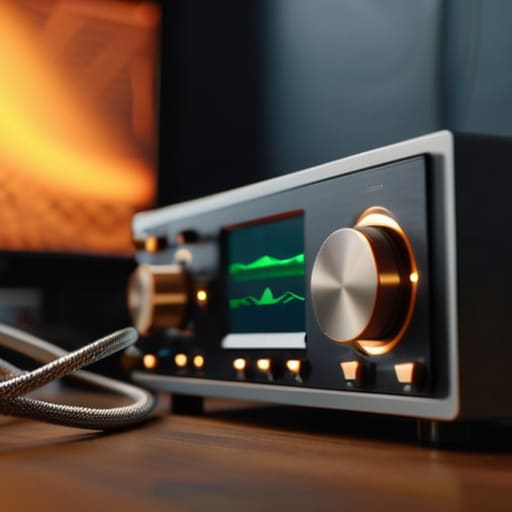
We have traced the path of the signal from the moment you click play, through the digital handshake of your drivers, and out into the physical wires of your speakers. Most of the time, the silence isn’t a mystery; it is simply a broken connection in a long chain of commands. Whether it was a simple matter of a muted setting, a driver that lost its way, or a cable that had physically surrendered to time, you have now identified the specific point where the energy stopped flowing. By isolating the hardware from the software, you have effectively stripped the machine down to its basic components to see where the logic failed.
I often find that people view technology as a sort of dark magic—something that either works or it doesn’t, with no middle ground. But once you realize that every sound is just a series of vibrations directed by a sequence of instructions, the frustration begins to fade. Don’t let a quiet room discourage you; instead, let it be an invitation to look a little closer at the mechanisms at work. Once you understand how the signal travels when everything is working perfectly, you will never truly be afraid of the silence again. Now, go ahead and turn the volume up.
Frequently Asked Questions
If I've updated my drivers and the sound still won't come out, is it possible the physical connection inside the jack has actually snapped?
It’s entirely possible. I actually had to do this with my old bedside radio last spring. When you plug and unplug those jacks thousands of times, the metal solder joints holding the port to the circuit board can develop hairline fractures. If the software is fine but the signal hits a literal gap in the metal, you’ll get nothing. If you’re brave enough with a soldering iron, you can bridge that gap yourself.
Why does the computer think it's playing music perfectly even when my speakers are completely dead?
It’s a bit of a trick, isn’t it? To the computer, “playing music” is just a stream of mathematical data being pushed through a digital gate. As long as that gate is open and the data is flowing, the software thinks its job is done. The computer doesn’t actually “hear” the air vibrating; it only knows it successfully handed the instructions off to the hardware. If the hardware is broken, the data just falls into a void.
Can a software update for something else entirely, like my webcam, accidentally scramble my audio settings?
It’s a common enough headache. I’ve seen it happen with clockwork—one tiny gear shifts, and the whole escapement stops. In your computer, everything is interconnected through a central “traffic controller” called the operating system. When you update your webcam, you’re essentially rewriting the rules of how your hardware talks to that controller. Sometimes, those new rules accidentally trip over the audio settings, leaving your sound stuck in a digital traffic jam.



