

I remember sitting at my workbench last Tuesday, the smell of old machine oil thick in the air, staring at a disassembled 1950s mantle clock that had decided to stop ticking mid-swing. My hands were steady, but my heart sank when I realized I hadn’t documented the tension in the mainspring before I nudged it. It’s exactly like that when you’re staring at a glitching laptop or a frozen phone; everyone tells you to just “dive in” and fix the settings, but they never emphasize how to back up before troubleshooting actually matters. If you don’t secure your digital life before you start poking at the guts of a system, you aren’t fixing anything—you’re just gambling with your memories and your hard work.
I’m not here to sell you some bloated, subscription-based “cloud fortress” that you’ll never truly own. I want to show you the mechanical reality of your data: where it sits, how it moves, and how to keep it safe while you’re busy playing surgeon with your software. I’ll give you the no-nonsense steps to create a safety net that actually works, so when you finally do crack that device open, you can do it with the confidence of someone who knows exactly what they stand to lose.
Preventing Data Loss During Repairs Through Disciplined Preparation

When I’m hunched over a workbench with a jeweler’s loupe, I don’t just dive into the gears; I check the tension of the mainspring first. Troubleshooting a computer is no different. You can’t fix the mechanism if you’re too busy mourning what was lost inside. Preventing data loss during repairs isn’t about being paranoid; it’s about establishing a controlled environment where mistakes are survivable. If I slip with a screwdriver, a spring might fly across the room, but if you slip with a command line, your entire digital life might vanish into the ether.
I always tell my former students that a good engineer prepares for the worst-case scenario. For your digital life, that means more than just dragging a few folders into a folder. I prefer a two-pronged approach: using external hard drive backup methods for the heavy lifting—the big files that take forever to move—and then utilizing cloud storage for system recovery as a secondary safety net. It’s like having both a physical blueprint and a photographic memory of the machine. Once those layers are in place, you can finally pick up your tools with a steady hand.
Mastering External Hard Drive Backup Methods for True Autonomy
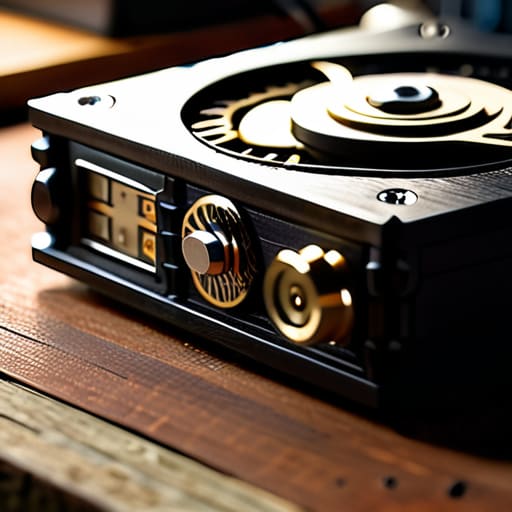
When I sit at my workbench with a stubborn grandfather clock, I don’t just hope the springs stay in place; I lay them out in the exact order they came from. Digital troubleshooting requires that same physical discipline. While many people rely solely on the internet, I’ve learned that true autonomy comes from mastering external hard drive backup methods. Relying on a cloud connection is fine for a photo of your cat, but if you are backing up critical files before OS repair, you want something you can physically hold in your hand. A cable doesn’t care if your Wi-Fi is acting up or if your ISP is having a bad day.
I prefer a two-pronged approach. First, I use a dedicated drive to create a complete “clone” of my system. It’s like making a mold of a gear before you start filing it down. Once that physical safety net is plugged in and verified, I might use cloud storage for system recovery as a secondary layer. This way, even if a power surge fries my hardware while I’m poking around the registry, my life’s work isn’t just floating in the ether—it’s anchored somewhere solid.
The Pre-Disassembly Checklist: Five Ways to Make Sure Your Data Survives the Chaos
- Verify the “Ghost” Data. Before you even plug in a screwdriver or a bootable USB, I want you to check your cloud syncs—but don’t trust them blindly. Open a file from your Google Drive or Dropbox on a completely different device to ensure that what you think is “saved” isn’t actually just a local icon waiting for a signal that might never come.
- The Rule of Two. In physics, we rely on redundancy, and your data should be no different. Never rely on a single external drive; if you’re about to perform a risky OS reinstall, copy your most precious folders to both a physical drive and a secondary location. If one fails while you’re mid-troubleshoot, you won’t be left staring at a dead circuit.
- Label Your Physical Connections. When I’m working on a grandfather clock, I mark every gear’s position; you should do the same with your cables. If you are backing up via a complex network or multiple external drives, use a piece of masking tape to label which drive is the “Master Copy” and which is the “Work Drive” so you don’t accidentally overwrite your only safety net.
- Audit Your Hidden Dependencies. Most people forget about the “invisible” files—those browser bookmarks, specialized software license keys, or local application settings that don’t live in your “Documents” folder. If you can’t point to where a specific configuration file sits on the disk, assume it will vanish the moment you hit ‘format.’
- Perform a “Dry Run” Restore. A backup is nothing more than a theoretical concept until you prove it works. Before you start tearing into your software, try to pull a random file from your backup drive and open it. If you can’t successfully retrieve a file while the system is still healthy, you certainly won’t be able to do it when the system is broken.
The Essentials: What to Carry With You Before You Open the Case
Treat your data like a delicate clock spring; if you haven’t wound it up and tucked it away in a separate, reliable location before you start tinkering, you’re just one slip of the screwdriver away from a permanent mess.
Autonomy means not relying on the “cloud” to catch you—true security is having a physical copy of your files sitting on a drive you can actually touch, especially when you’re about to dive into the guts of a machine.
Discipline is the bridge between a successful repair and a total loss; never mistake “I’ll do it later” for a real backup plan, because the moment you start troubleshooting, the clock is already ticking.
The Final Check Before the Screwdriver Touches the Case

At the end of the day, whether you are navigating a complex software update or physically unscrewing a chassis to reach a dusty fan, the principle remains the same: you must respect the state of the machine. We have covered how to build your safety net through disciplined preparation and how to maintain your autonomy using external drives. It isn’t just about clicking a button; it is about ensuring that even if you accidentally sever a connection or a drive fails mid-repair, your digital life remains intact. If you haven’t verified that your files are sitting safely on a separate, disconnected device, you aren’t actually ready to begin the work.
I spent decades teaching students that physics isn’t just about formulas on a chalkboard, but about the predictable behavior of the world around us. Technology is no different. When we take things apart, we are seeking to understand the mechanism, but we must never let our curiosity outpace our caution. Treat your backup routine like the calibration of a fine timepiece—it is the quiet, necessary work that ensures everything else runs smoothly when the gears start turning. Once you know your data is tucked away, you can stop worrying about what might go wrong and start focusing on what you are about to fix.
Frequently Asked Questions
If I'm backing up to a cloud service, how do I know my files actually exist in a physical space I can reach if my internet goes out?
That’s the trap of the “invisible” machine. When you upload to the cloud, you’re essentially renting space on someone else’s spinning platter in a massive, climate-controlled warehouse. To ensure you aren’t just shouting into a digital void, you must verify the local cache. If your computer doesn’t show a green checkmark or a local copy in your file explorer, those bits aren’t “yours” yet—they’re just transit signals. Always keep one physical tether.
Is it enough to just copy my most important documents, or do I need to grab the entire system image so I can rebuild the whole machine from scratch?
It depends on what you’re planning to fix. If you’re just cleaning out some digital cobwebs, dragging your precious photos and tax returns to a drive is fine. But if you’re about to dive into the guts of the operating system—reinstalling drivers or messing with registry settings—you need a full system image. I wouldn’t touch a screwdriver near a motherboard without a complete snapshot; otherwise, you’re just hoping for the best, and hope isn’t a mechanism.
How can I be sure my backup drive isn't just sitting there with a "successful" message while actually holding corrupted, unreadable data?
The “Success” message is a liar. It only tells you the handoff was completed, not that the data survived the journey. To be sure, you have to perform a checksum or a verification pass. I do this by taking a small, vital folder—something irreplaceable—and attempting to open it from the backup drive itself. If you haven’t manually pulled a file back out of the machine to see if it breathes, you haven’t actually backed anything up.



