
I spent thirty-four years watching students try to calculate the velocity of a falling object using nothing but a prayer and a poorly drawn diagram, so I have a very low tolerance for people who try to sell you “magic” in a box. Lately, everyone tells you that your smartphone is a professional tool because it has a dozen tiny lenses and a fancy name, but if you actually crack one open, you’ll see the truth: it’s just a collection of software tricks trying to hide a tiny, struggling sensor. If you are genuinely wondering how to choose a camera over a phone, you have to stop looking at the marketing brochures and start looking at the physics of light.
I am not here to talk to you about megapixels or cloud storage, because those are just numbers used to fill space in a manual. My promise to you is simpler: I will explain the mechanical reality of what happens inside the casing. We are going to look at why a larger piece of glass and a deeper sensor actually matter when the sun goes down, and I won’t mention a single feature unless I can tell you exactly how it moves when you aren’t looking.
Beyond the Algorithm Computational Photography vs Optics
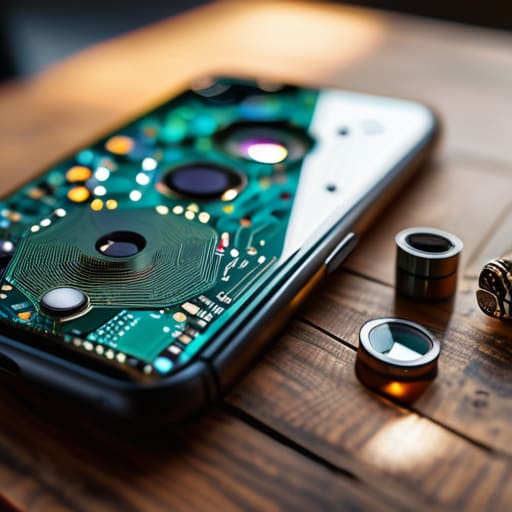
Last Tuesday, I sat at my workbench with a disassembled smartphone and an old Nikon, comparing the guts of both. It’s a bit like comparing a chef who uses pre-made sauce to one who grows their own tomatoes. When you use a phone, you are largely relying on computational photography—a series of mathematical guesses made by a processor to hide the fact that the lens is tiny. The software looks at a dark scene, sees a mess of noise, and “fixes” it by smoothing everything out. It’s clever, but it’s a lie.
When I look at a real camera, I see the truth of light hitting a substantial surface. Because the sensor size comparison is so lopsided, a dedicated camera doesn’t need to “guess” what a shadow looks like; it actually captures the nuance of the photon. This is where you find real depth of field control. A phone tries to mimic a blurry background using software masks that often trip up on a stray hair or a glasses frame, but a real lens creates that softness through physics. It’s not an algorithm; it’s just how light behaves when it passes through glass.
The Weight of Light Sensor Size Comparison and Truth
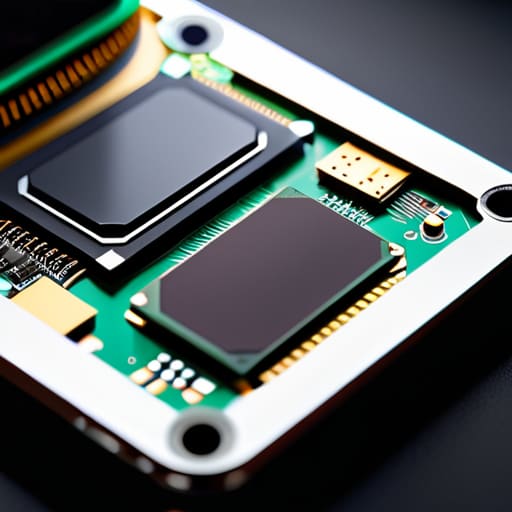
I spent last Tuesday with a jeweler’s screwdriver and a set of tweezers, peering into the guts of an old compact camera I’d pulled from a drawer. When you strip away the casing, the difference becomes startlingly physical. In a smartphone, the sensor is a tiny, microscopic sliver—hardly more than a speck of dust. In a dedicated camera, that sensor is a wide, hungry expanse. This sensor size comparison isn’t just about numbers on a spec sheet; it’s about surface area. A larger sensor gathers more photons, and more photons mean less “noise” or that grainy, digital sludge you see in low light.
When I look at a photo from a phone, I can almost see the math working behind the scenes to patch up the holes where light failed to reach. But with a real sensor, the light is just there. This physical advantage is what gives you genuine depth of field control. On a phone, that blurry background is often a clever software trick—a digital mask applied after the fact. On a camera, that softness is a natural consequence of physics, a beautiful, organic fall-off that no algorithm can truly replicate.
Five Things to Look for Before You Commit to the Gear
- Check the glass, not the megapixels. I spent last Tuesday with a magnifying loupe examining a broken Leica lens, and it reminded me that numbers lie. A phone might claim fifty million pixels, but if the lens is just a tiny piece of plastic pressed against a sensor, you’re just photographing digital noise. Look for a camera with real, heavy glass that actually directs light where it needs to go.
- Feel the tactile feedback. When I’m fixing a clock, I need to feel the tension in the mainspring; photography is the same. If you find yourself frustrated by a touchscreen that doesn’t respond when your fingers are cold or damp, you need a camera with physical dials. There is a profound difference between tapping a screen and feeling a mechanical shutter click under your thumb.
- Look for the “Manual” promise. A phone is a black box; it makes decisions for you, often making them poorly. When I opened up my old Nikon, I saw the pathways for control. You want a device where you can actually step in and say, “No, keep the shutter open longer,” rather than letting a processor guess what you intended.
- Consider the ergonomics of the grip. A phone is a slab, designed to be held with a precarious pinch. A real camera is built to be an extension of your hand. If you can’t hold it steady for ten minutes while waiting for the light to shift, you aren’t taking a photograph; you’re just capturing a fleeting, blurry moment.
- Think about the “Repairability” factor. This sounds old-fashioned, I know, but a phone is a sealed tomb of glue and silicon. Once a component fails, the whole thing is landfill. A dedicated camera, especially a sturdy one, is a machine made of parts. I want to know that if a button sticks or a mount wears down, I can actually do something about it.
The Lessons Left on the Workbench
A phone is a clever magician that uses math to hide its flaws, but a real camera uses glass and physics to embrace the light exactly as it arrives.
Don’t be fooled by megapixels; look for the physical size of the sensor, because you can’t shrink the surface area needed to catch a true, clean signal.
Choose a camera if you want to be the one in control of the mechanism, rather than letting a black box decide what your memory should look like.
The Choice Between Math and Metal
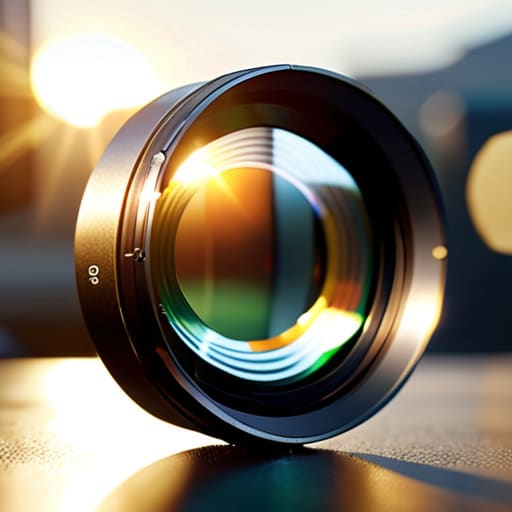
At the end of the day, choosing between these two tools comes down to whether you want a result that is calculated or a result that is captured. Your phone is a marvel of engineering, using massive amounts of processing power to guess what a scene should look like through sheer mathematical brute force. But a dedicated camera doesn’t guess; it relies on the physical relationship between glass, light, and a sensor that actually has room to breathe. When I look at the internals of a real lens, I see a mechanical dance of elements that manages light before a single line of code even runs. If you want the convenience of an algorithm, stick to your pocket. But if you want to control the physics of the frame, you need the hardware.
I spent my career teaching students that you cannot cheat the laws of thermodynamics, and photography is no different. You can’t program your way out of a tiny sensor or a piece of plastic lens glass. There is a profound, quiet satisfaction in holding a device where you can actually feel the mechanics working in your hands. A camera doesn’t just give you a file; it gives you a physical interaction with the world. So, don’t just buy a gadget because it has a high megapixel count on the box. Buy the tool that allows you to stop being a spectator to your own memories and start being the person who actually directs the light.
Frequently Asked Questions
If I buy a dedicated camera, am I going to struggle with all those confusing manual settings, or is there a way to just let the machine do the work?
Don’t let the buttons intimidate you. When I opened up my old Nikon last week, I realized it’s just a series of mechanical gates deciding how much light gets through. Most modern cameras have a “Program” mode that acts just like your phone—it does the heavy lifting for you. You aren’t forced to be a mathematician; you can let the machine handle the math and just focus on the composition.
My phone fits in my pocket, so is a bulky camera actually going to be worth the extra weight when I'm out walking?
I spent an hour yesterday with my old Leica, cleaning the brass gears of the shutter mechanism. It’s heavy, yes, but that weight is a promise. When I take my mirrorless out on a walk, I’m not just “capturing data”—I’m managing light. A phone is a clever little calculator that guesses what a scene should look like, but a camera lets you decide. If you want to feel the intention in the frame, carry the weight.
I've seen people print massive photos from their phones; does a real camera actually make a difference once the picture is on paper?
I once took apart a high-end smartphone to see how it handles image processing, and it’s a marvel of tiny, clever math. But math isn’t light. When you blow a photo up to poster size, those “smart” pixels start to look like a mosaic of digital guesses. A real camera captures actual photons through glass; it’s a physical record. On paper, the camera gives you texture and depth, whereas the phone just gives you a very convincing illusion.