
Last Tuesday, I was hunched over my workbench, squinting through a jeweler’s loupe at the escapement of a 19th-century carriage clock, when I realized how much the tech industry reminds me of a poorly calibrated scale. People come to me asking what refurbished grades mean, expecting a clear, physical definition, but they usually just get a marketing term wrapped in a shiny bow. It infuriates me. To a physicist, a label is a measurement, but in the world of pre-owned electronics, these grades are often just vague suggestions designed to make you feel comfortable with a scratch you’ll notice ten minutes after unboxing.
I’m not here to recite a corporate glossary or sell you on the “magic” of a certified sticker. My goal is to strip away the jargon and look at the actual components, the casing, and the wear patterns that these labels try to hide. I promise to tell you exactly what you are getting—from the microscopic scuffs on a screen to the tactile reality of a worn-down button—so you can understand the machine before you ever spend a cent.
Peeling Back the Layers of the Cosmetic Condition Grading Scale

When I sat down with my first set of “Grade A” tablets last week, I didn’t just look at the screen; I held them up to the light, searching for the microscopic abrasions that the listing promised weren’t there. You see, the cosmetic condition grading scale isn’t some sacred law of physics; it is a subjective set of rules that varies depending on who is doing the sorting. To me, a “Mint” device should behave like a machine that has spent its entire life in a velvet-lined drawer, untouched by the chaos of a pocket or a backpack.
However, the reality of understanding device wear and tear is often much messier. When I peel back the casing of a device to inspect the internal mounting, I’m looking for signs of impact that a surface-level glance might miss. A “Grade B” phone might look perfectly fine sitting on your coffee table, but if you look closely at the chamfered edges, you’ll see the tiny scars of a life lived. I want to know if those scratches are just superficial vanity or if they tell a story of a device that has been dropped enough to loosen its internal connections.
The Invisible Reality of Understanding Device Wear and Tear

When I sit at my workbench with a vintage timepiece, I’m not just looking at the polished brass; I’m looking for the microscopic scoring on the gears that tells me how much friction it has endured. Understanding device wear and tear follows a similar logic. A grade tells you about the surface, but it doesn’t always tell you about the soul of the machine. You might find a device that looks pristine under a bright desk lamp, yet has microscopic abrasions near the charging port from thousands of daily plug-ins. These aren’t just scratches; they are the physical history of how the device was handled when the owner thought no one was watching.
This is where the distinction between refurbished vs used electronics becomes vital. A “used” device is simply a survivor of its own history, whereas a truly refurbished unit has undergone a rigorous refurbished product inspection process to ensure the internal mechanics are as sound as the exterior. I don’t care if the screen is flawless if the haptic motor feels sluggish or the battery drains like a leaky capacitor. To me, a grade is only useful if it accounts for the invisible fatigue that comes from a life lived in a pocket or a backpack.
Five Things I Look For Before I Trust a Grade
- Don’t let the “Excellent” label fool you until you ask about the screen. I’ve seen plenty of devices that look pristine from a distance, but once you hold them under a bright desk lamp, you see the microscopic scratches that the grading process conveniently ignored.
- Always check if the grade refers to the casing or the internal components. A device might be “Grade A” cosmetically, meaning the shell is flawless, but if they haven’t verified the battery’s chemical health, that beautiful exterior is just a shiny wrapper on a dying machine.
- Ask specifically about the “light” versus “heavy” wear distinction. In my experience, a “Good” grade often means the device has been handled daily—it’s the kind of wear you feel in the texture of the buttons or the slight smoothness of the plastic where a thumb rests, not just what you see.
- Look for the “Functional vs. Cosmetic” split in the description. If a seller says a device is “Grade B” because of a scratch, that’s fine; but if they can’t tell you exactly what that scratch is doing to the structural integrity of the frame, they haven’t actually inspected the unit.
- Treat the “Refurbished” label as a starting point, not a conclusion. I always want to know if the device was opened to replace a part or if it was simply cleaned. If a seal was broken to fix a screen, I want to know if the adhesive used is as good as the factory original, or if it’s going to pop off in my pocket three months from now.
What to Remember Before You Click 'Buy'
Don’t let the label fool you; a “Grade A” sticker doesn’t tell you if the screen has a microscopic scratch that only catches the light when you’re trying to read an e-book in the evening.
I always look past the casing to the mechanics—a device might look pristine on the outside, but if the battery cycle count is high, that polished exterior is just a mask for a dying engine.
Buy for your habit, not the hype; if you’re the type of person who tosses your phone into a cluttered bag without a case, paying the premium for “Mint” condition is just throwing money at a problem you’re going to create anyway.
The Final Inspection
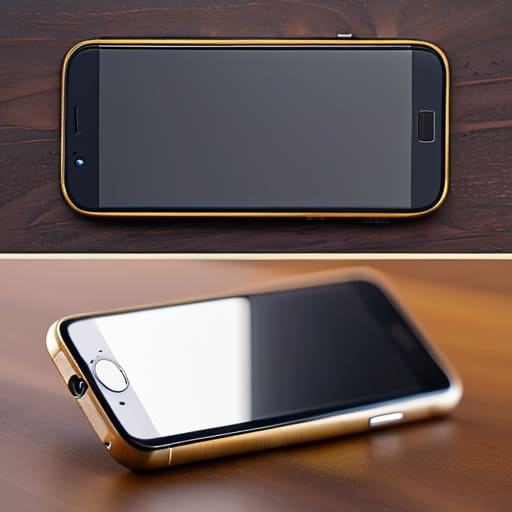
At the end of the day, these grading scales are just a way to translate the physical reality of a device into a language we can all understand. Whether you are looking at a “Grade A” device that looks like it sat untouched on a shelf, or a “Fair” model that shows the honest scratches of a life lived in a pocket, the goal is the same: transparency. You have to remember that a label is just a shorthand for what the device actually is once you take it out of the box and hold it in your hands. If you can look past the marketing jargon and focus on the actual surface wear and the internal integrity, you stop being a passive consumer and start becoming a discerning technician of your own budget.
I spent my career teaching students that physics isn’t just about formulas on a chalkboard; it’s about how the world actually behaves when you apply pressure to it. Buying refurbished is no different. It is an exercise in understanding the mechanics of value. Don’t be afraid of a little cosmetic character if it means the internal components are sound and the price is right. After all, most of the best machines I’ve ever repaired weren’t the ones that looked perfect in a display case, but the ones that were built to endure the real world. Go ahead, pick your grade, and find something that works exactly the way you need it to.
Frequently Asked Questions
If a phone is graded as "Excellent," does that mean the internal components have been replaced, or just that the scratches were polished away?
That’s a sharp question. When I see an “Excellent” grade, I don’t assume the guts have been swapped out. Usually, it means the technician has focused on the exterior—buffing out those microscopic swirl marks or replacing a cracked glass panel to make it look showroom-fresh. Unless it’s a “certified” rebuild, the internal logic board is likely the original. If I can’t see the solder joints, I assume the heart remains untouched.
Does a "Grade B" rating mean I should expect the battery to hold a charge as well as a brand-new unit?
No, you shouldn’t. When I look at a “Grade B” label, I see a device that has lived a life—it’s been carried in pockets and dropped on desks. While the technician might have tested the battery, a Grade B rating focuses on the shell, not the chemistry inside. If I can’t see the battery’s capacity written on the casing, I assume it’s experienced the same wear as the scratches on the screen.
If I can't see the microscopic wear on the charging port, how can I be sure a lower grade won't affect how the device actually functions in my daily routine?
That is the right question to ask. When I’m cleaning the gears of a pocket watch, I’m looking for friction, not just scratches. A “Grade B” phone might have a scuff on the casing that does nothing, but if that wear has reached the internal pins of the charging port, it’s a mechanical failure waiting to happen. If a refurbisher hasn’t tested the actual electrical continuity under load, they aren’t selling a device; they’re selling a gamble.