

I spent thirty-four years in a physics classroom, and if there is one thing I learned, it’s that people love to dress up simple mechanics in expensive, intimidating language. When you walk into a dealership and they start mumbling about “market adjustments” and “depreciation curves,” they are essentially trying to hand you a closed box and tell you not to look inside. It’s a practiced bit of theater designed to make you feel like you aren’t qualified to ask what trade in values are based on. But a trade-in isn’t some mystical, shifting cloud of economic theory; it is a physical object with a predictable set of variables, much like the escapement in one of my old pendulum clocks.
I’m not here to give you a lecture on macroeconomics or recite glossy brochures. My goal is to strip away the jargon and show you the actual gears turning behind that number on the invoice. I want to help you see the machine for what it really is—a calculation of wear, demand, and risk. By the time we are through, you won’t just be guessing at the price; you will understand the underlying mechanics well enough to know exactly when you’re getting a fair deal and when someone is trying to sell you a broken spring.
The Ghost in the Machine Depreciation Rates for Electronics
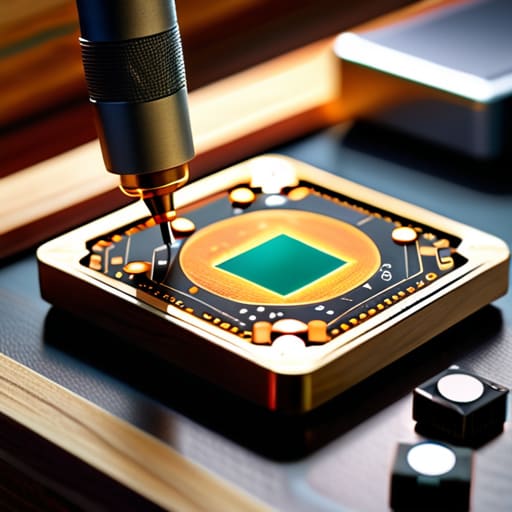
I spent my career teaching students that entropy always wins; energy dissipates, and things tend toward disorder. In the world of consumer electronics, this physical law has a financial twin. When I sat at my workbench last Tuesday, peering through a jeweler’s loupe at the microscopic scoring on a smartphone’s logic board, I was reminded that a device’s value isn’t just about its specs, but about its rate of decay.
The depreciation rates for electronics are incredibly aggressive because, unlike a well-oiled brass clock, a silicon chip has a built-in expiration date. Every time a new processor is released, the old one doesn’t just become “old”—it becomes a relic. This is why you see such a sharp drop in resale value assessment the moment a manufacturer announces a keynote. It isn’t just about the hardware failing; it’s about the software moving on, leaving the physical components behind like an abandoned shell.
Even the smallest bit of friction matters. I’ve seen how the impact of cosmetic damage on value can be disproportionate. A hairline scratch on a casing might seem trivial to a user, but to an appraiser, it’s a signal of systemic wear. It suggests the device wasn’t kept in a controlled environment, which makes the internal components—the parts that actually do the work—unreliable.
Unseen Currents Market Demand for Used Goods

When I sit at my workbench with a disassembled grandfather clock, I don’t just look at the gears; I look at how often people are actually looking for that specific escapement. It is the same with the economy. You can have a device in perfect working order, but if the world has moved on to a different mechanism, that device is just a collection of inert matter. This is the core of market demand for used goods. A trade-in value isn’t just a reflection of what a machine is, but rather a measurement of how much someone else wants it right now.
I’ve noticed this rhythm in my own life, much like the seasonal fluctuations in trade-in prices that hit the tech market. When a new flagship phone is announced, the old models don’t just lose value because they are older; they lose value because the collective attention has shifted elsewhere. It is a social current, invisible and silent, flowing beneath the surface of every transaction. If there is no one waiting on the other side of the counter to take that item into their home, the value simply evaporates, no matter how well the internal components are polished.
How to Spot the Gears Before You Hand Over the Keys
- Look for the “wear patterns” in the software, not just the scratches on the case; a device that has been pushed to its thermal limits will always command a lower price once the processor begins to throttle.
- Check the battery’s chemical health as if you were checking a clock’s mainspring; if the capacity has degraded significantly, the entire value of the machine collapses regardless of how shiny the screen looks.
- Timing is everything in the supply cycle; if you trade in a device just as a new model is announced, you are essentially trying to sell a pendulum while the gravity has already shifted.
- Clean the contact points and the ports; I’ve learned from my tiny gears that even a microscopic amount of grit can make a perfectly functional mechanism appear broken to an untrained eye.
- Document the “idle state”—take photos of the device when it is turned off and completely still, because that is the only time you can truly see if the chassis is straight and the components are seated properly.
What Stays Behind When the Transaction Ends
A trade-in value isn’t a fixed physical constant like gravity; it’s a calculation of how much “useful life” is left in the gears before the machine becomes a paperweight.
The true value of your device is dictated by the invisible friction of supply and demand—it’s about how many people are currently hunting for exactly what you are trying to get rid of.
To predict a fair price, you must look past the shiny casing and evaluate the internal wear: the battery cycles, the software compatibility, and the inevitable march of obsolescence.
The Final Gear in the Machine

When I sit at my workbench with a disassembled timepiece, I see that value isn’t just about the gold plating; it’s about the tension in the mainspring and the integrity of the teeth. Trade-in values work much the same way. They aren’t arbitrary numbers pulled from thin air; they are the result of a complex interplay between the physical decay of the hardware and the shifting tides of what the next person actually wants. Whether it is the inevitable chemical degradation of a lithium battery or the sudden spike in demand for a specific chipset, the price is simply the point where the machine’s utility meets the market’s hunger. Once you strip away the shiny marketing, you are left with the raw mechanics of supply and demand.
I’ve spent my life taking things apart to see how they tick, and I’ve learned that nothing stays constant. A device that feels like a marvel today will, in three years, be nothing more than a collection of rare earth metals waiting for a second life. Don’t let the sticker price intimidate you or deceive you. Instead, look at the underlying momentum of the technology itself. If you understand the forces that drive a value down, you stop being a victim of the transaction and start becoming an observer of the system. After all, the most important part of any machine is knowing exactly why it moves.
Frequently Asked Questions
If the market demand is high, why doesn't the trade-in offer reflect the full price I see on a used marketplace?
It’s a question of friction and risk, much like the difference between a polished gear and one with a bit of grit in the teeth. When you sell on a marketplace, you are the engine; you take the risk of the buyer flaking or the item being faulty. A trade-in offer isn’t a reflection of what the item is worth to a person; it’s the price of the convenience and the certainty that the transaction is already finished.
When an appraiser looks at my device, are they actually checking the internal battery health or just looking at the screen for scratches?
I’ll be honest: most appraisers are just looking for surface-level friction. They check the screen for scratches because that’s what the eye can catch in a thirty-second glance. But if I were to crack that casing open, I’d tell you the real story is in the lithium-ion chemistry. They aren’t usually measuring cycle counts or internal resistance; they’re betting on the exterior to tell them if the insides are worth the effort.
How much of the final value is determined by the actual hardware components versus the software ecosystem and brand loyalty?
I sat my old smartphone on the workbench yesterday, screws removed, just to see the difference. The hardware—the silicon, the copper, the glass—is just a collection of raw materials with a shelf life. If you strip away the brand, the metal is worth pennies. The real value lives in the invisible layers: the software updates that keep it breathing and the ecosystem that makes it “work” with everything else. You aren’t buying the circuits; you’re buying the permission to stay connected.