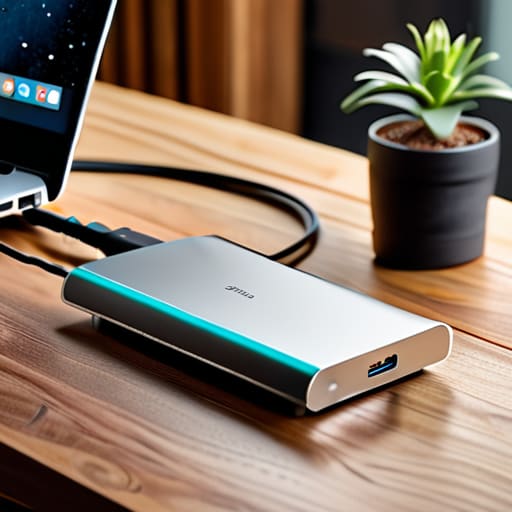

I spent thirty-four years in a physics classroom, and if there is one thing I learned, it’s that people love to sell you “magic” when all they are actually selling you is a series of copper traces and a plastic shell. I see these sleek, overpriced docking stations in every tech advertisement, promising to “transform your workflow,” but most of them are just glorified, inefficient splitters that choke your data the moment you plug in more than one device. When you are trying to figure out how to choose a USB hub or dock, don’t let the glossy marketing fool you into thinking a higher price tag equals better physics. If a manufacturer can’t tell you exactly how the power is being redistributed between your external drive and your keyboard, they are just selling you a black box.
I’m not here to give you a list of brand names or speculative specs from a brochure. My approach is much more tactile: I want to know what happens to the electricity and the data packets when the screen goes dark and the devices are just sitting there. I promise to guide you through the actual mechanics of bandwidth and power delivery so you can find a tool that actually performs when you aren’t looking.
Usb C vs Thunderbolt Docking Stations the Silent Performance Gap

I spent most of last Tuesday with a jeweler’s loupe and a set of precision drivers, trying to figure out why my old laptop was choking on a simple external drive. It wasn’t a mechanical failure; it was a bottleneck. When we look at USB-C vs Thunderbolt docking stations, the difference isn’t just a label on a box—it’s the width of the pipe. If you open up a standard USB-C hub, you’ll find it’s essentially a clever traffic cop trying to direct a stream of data through a narrow lane. Thunderbolt, however, is like opening a four-lane highway.
If you are just plugging in a mouse or a keyboard, the distinction is invisible. But the moment you try to run two high-resolution displays or a heavy external drive, that “silent gap” becomes a loud, stuttering mess. You have to look closely at the external monitor support for docks before you commit. A cheap hub might claim to work, but if it can’t handle the sheer volume of data required to keep your screen from flickering, it’s just a very expensive paperweight sitting on your desk.
Usb Port Data Transfer Speeds That Dont Vanish Under Pressure
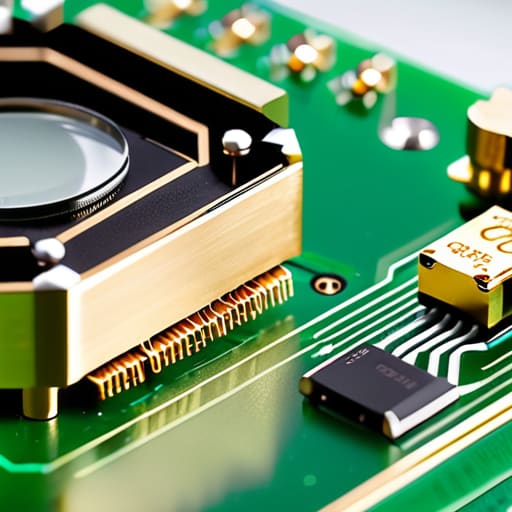
I spent last Tuesday with my precision tweezers and a magnifying lamp, staring into the guts of a cheap, no-name hub I picked up online. When you strip away the plastic casing, you realize that most of these little boxes are just glorified traffic cops, and frankly, some of them are terrible at their jobs. If you are moving large files from an external drive, you can’t just look at the shape of the plug; you have to look at the actual USB port data transfer speeds promised by the internal controller.
I’ve seen too many people plug a high-speed SSD into a hub, only to watch their progress bar crawl like a snail in molasses. This usually happens because the hub is trying to squeeze too much data through a tiny, undersized bottleneck. It’s like trying to drain a bathtub through a cocktail straw. You need to ensure the USB hub port types and compatibility actually match the hardware you’re plugging in. If the hub is sharing a single narrow lane between your mouse, your keyboard, and your hard drive, everything is going to stutter the moment the drive starts working.
Five Things to Look for Before You Let It Settle on Your Desk
- Check the power budget. I opened up a cheap hub last week and found the internal traces were so thin they practically begged for mercy the moment I plugged in an external drive. If your dock doesn’t have its own dedicated wall plug, it’s trying to steal energy from your laptop, and that’s a losing battle for both of them.
- Count the “real” ports. Don’t let a manufacturer brag about having ten ports if six of them are just splitting a single, low-bandwidth lane. I want to know if my webcam and my hard drive are going to start fighting for air the second I turn them both on.
- Look for the heat sinks. If a device is going to be doing heavy lifting, it needs a way to breathe or dissipate what it generates. A plastic shell with no thermal mass is just a tiny oven waiting to throttle your connection speeds to a crawl.
- Verify the video handshake. A lot of these little boxes claim to support 4K, but they don’t tell you that it only works if you aren’t using any other ports. I need to know that the signal actually reaches the monitor without dropping frames every time I move my mouse.
- Demand a physical switch for the “sleeping” components. I like knowing that when I close my laptop, the components inside the dock actually stop drawing current. If I can’t see a way to kill the power to a specific port, then that port is a tiny, invisible leak in my battery life.
The Three Things That Matter When the Screen Goes Dark
Don’t get seduced by the number of ports; if the internal controller can’t handle your hard drive and your webcam simultaneously without dropping the connection, you’ve just bought an expensive paperweight.
Check the power delivery math—if your dock doesn’t have enough juice to keep your laptop charged while it’s busy running your peripherals, you’ll find yourself hunting for wall outlets mid-task.
Verify the bandwidth overhead, because a hub that claims to support 4K video but chokes the moment you plug in a mouse is a device that hasn’t been properly engineered for the load.
The Anatomy of a Solid Setup

At the end of the day, choosing a dock isn’t about reading a shiny spec sheet; it’s about understanding the flow of energy and data through the wires. You have to look past the marketing and ask yourself if the hardware can actually handle the load when you aren’t watching. If you need high-speed video and massive file transfers simultaneously, you can’t settle for a generic USB-C hub that chokes the moment you plug in an external drive. You need to ensure the bandwidth is actually there to support your peripherals, and that the power delivery is robust enough to keep your laptop from gasping for air. Don’t let a cheap controller chip become a bottleneck in your workflow just because it looked good in a thumbnail.
I spent my career teaching students that physics doesn’t care about your intentions—it only cares about the laws of the universe. Electronics are no different. A dock is just a collection of pathways, and if those pathways are too narrow or too weak, the whole system fails. When you finally pick your device, don’t just look at the ports; look at the logic of the connection. Once you understand how the power moves and how the data travels, you stop being a mere user and start being someone who truly commands their tools. Now, go find something worth taking apart.
Frequently Asked Questions
If I plug in my external hard drive and my webcam at the same time, will the power surge or will my connection just drop out?
It won’t surge—modern circuits are too smart for that—but it will almost certainly drop out. When I opened up my old desktop hub last week, I saw how thin those power traces are. A webcam is a hungry little thing, constantly pulling current for that sensor, and an external drive is a mechanical beast that needs a steady gulp of juice to spin up. If the hub can’t feed both, the voltage dips, and your connection simply vanishes.
Does the dock actually provide enough juice to charge my laptop, or is it just pretending to be a power source?
The “Power Delivery” label on a box is a promise, not a measurement. When I opened my last hub, I saw the traces leading from the USB-C port; if they aren’t beefy enough to handle the amperage, that dock is just a glorified middleman. Don’t trust a spec sheet that says “up to 100W.” You need to know if it delivers enough to keep your battery climbing while you’re actually working, not just idling.
I see all these different shapes and pins on the ends of the cables; how do I know which one actually fits my machine without stripping the port?
I spent twenty minutes last Tuesday with a jeweler’s loupe and a pair of tweezers, staring at the pins inside a cheap hub I’d gutted. It’s a mess of tiny, fragile copper. To avoid stripping your own machine, look at the “mouth” of the port. If it’s a rounded rectangle, it’s USB-C—it doesn’t care which way you flip it. If it’s a hollow trapezoid, that’s your old USB-A. Match the shape, then check the symbol.



