

I was sitting in my workshop last Tuesday, mid-way through cleaning the escapement of a 19th-century mantel clock, when my grandson’s phone started radiating heat like a small, angry toaster. He looked at me with that wide-eyed, modern panic, convinced he needed to buy a new model or pay a technician a week’s wages just to find out how to fix a phone that overheats. Honestly, it breaks my heart to see people fall for those “quick fix” apps that claim to optimize your battery; most of those are just more background processes adding unnecessary thermal load to an already struggling system.
I’m not going to give you a list of magic software tricks that don’t actually touch the physics of the problem. Instead, I want to talk about what is actually happening inside that slim aluminum chassis when the electrons start moving too fast and the resistance turns into raw heat. I’ve spent my life looking at how things work when the casing comes off, and I promise to show you the mechanical and electrical realities of your device. We are going to look at the actual culprits—from runaway background tasks to the simple failure of heat dissipation—so you can stop guessing and start managing the energy flow in your pocket.
Decoding High Cpu Usage Causing Heat

When I opened up my old handheld radio years ago, I learned that heat is just energy looking for a way out. Your smartphone is no different. Inside that slim casing, the Central Processing Unit (CPU) is the engine, and when you’re playing a heavy game or rendering video, that engine is redlining. High CPU usage causing heat isn’t a glitch; it’s the physical reality of billions of tiny transistors switching on and off millions of times per second. Each switch generates a tiny bit of friction—not mechanical, but electrical—and that energy has to go somewhere.
If you’ve ever noticed your screen dimming suddenly while you’re mid-match, you’re witnessing troubleshooting smartphone thermal throttling in real-time. The phone’s internal sensors have detected that the heat is no longer dissipating through the chassis, so the system intentionally slows down the processor to prevent permanent damage. It’s a desperate survival instinct. Think of it like a runner being forced to walk because their lungs are burning; the device is trying to save itself from melting its own solder joints.
Preventing Mobile Device Heat Buildup
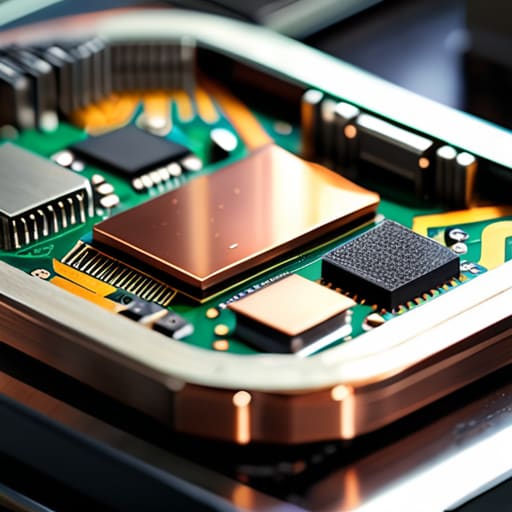
I’ve spent many Sunday afternoons with a jeweler’s loupe, watching how tiny gears fight against friction, and a smartphone is no different. It’s a battle against thermal energy. If you want to focus on preventing mobile device heat buildup, you have to stop treating your phone like a piece of indestructible masonry. When I opened up an old handheld unit last year, I saw how much dust had settled into the chassis, acting like a tiny, fuzzy wool blanket that trapped every bit of warmth. If you’re using a thick, heavy-duty case, you might be inadvertently insulating the very heat the processor is trying to shed.
You also have to consider the environment. I often tell my former students that thermodynamics doesn’t care about your convenience; the impact of ambient temperature on mobile devices is absolute. If you leave your phone on a car dashboard in July, you are essentially pre-heating the battery before you even turn the screen on. Even something as simple as phone overheating while gaming can be mitigated by just taking the case off for a bit. Think of it as letting the device breathe so the internal components don’t have to work twice as hard just to stay cool.
Five Ways to Cool Down the Engine Without Opening the Casing
- Check your background processes; if an app is stuck in a loop, it’s like a motor spinning its wheels in the mud, burning energy and creating heat without actually moving you anywhere.
- Strip away the heavy armor; if you’re using a thick, ruggedized case, you’re essentially putting a wool sweater on a running engine, trapping the thermal energy right against the chassis.
- Stop the “parasitic” drain by turning off Bluetooth and GPS when you aren’t using them; these tiny radio waves are constantly searching for a handshake, and that constant signaling creates a steady, low-level heat soak.
- Avoid the “sun trap” effect; leaving your phone on a car dashboard is like putting a magnifying glass to a circuit board, and once those internal components hit a certain thermal threshold, the physics of heat dissipation becomes a losing battle.
- Use a low-power mode to throttle the clock speed; by telling the processor it doesn’t need to run at maximum frequency, you’re effectively reducing the voltage, which means less kinetic energy is being lost as waste heat.
The Physics of a Cool Phone
Heat isn’t just a nuisance; it’s the physical manifestation of electrical resistance fighting against your processor’s workload.
If you want to stop the burn, you have to stop the friction—meaning you need to close those background apps that are forcing the CPU to spin its wheels for no reason.
Think of your phone’s casing as a heat sink; if you’re using a thick, heavy-duty case, you’re essentially putting a wool sweater on a runner in the middle of July.
The Final Check

At the end of the day, managing a hot phone is really just about managing the flow of energy. Whether you are hunting down a rogue app that is hogging the CPU like a greedy student in a physics lab, or simply realizing that your heavy-duty protective case is acting like a thermal blanket, the solution usually comes down to reducing friction. You have to clear the digital pathways so the processor can breathe and ensure that the heat generated by those tiny, frantic electrons has a way to escape into the air. If you can keep the background tasks in check and avoid letting the battery sit in a literal oven, you are already halfway to solving the thermal puzzle.
I often think about my old grandfather clocks; if they run too fast or too slow, it is because something internal is fighting against the natural rhythm of the gears. Your smartphone is no different. It is a marvelous, complex little machine, but it is still bound by the laws of thermodynamics. Don’t let the sleek, seamless glass exterior fool you into thinking there isn’t a frantic dance of energy happening underneath. Once you learn to listen to the heat, you stop being just a user and start becoming someone who truly understands the machine. Now, go check those settings and give that processor a well-deserved rest.
Frequently Asked Questions
Is my battery actually swelling up, or is it just the processor getting worked up?
It’s a distinction worth making, because one is a headache and the other is a hazard. If your phone feels hot, that’s just the processor struggling through its workload—like a motor running too hard. But if the screen looks like it’s being pushed out from behind, or the casing has a slight bulge, that’s the battery. A hardworking chip just breathes heat; a swelling battery is chemically failing and needs to be retired immediately.
Can I really fix this by just deleting a few apps, or is the hardware itself reaching its end of life?
It’s a fair question. I’ve spent enough afternoons hunched over a workbench to know that sometimes the ghost is in the machine, and sometimes it’s the machine itself. If those rogue apps are forcing your processor to run a marathon just to keep your screen lit, deleting them is like taking a heavy backpack off a tired hiker—it works. But if the battery is bulging or the thermal paste has turned to dust, no amount of cleaning will help.
If I keep using a heavy-duty protective case, am I essentially putting a sweater on a radiator?
That is exactly what you’re doing. When I opened up my old desktop tower last summer, I could feel the heat radiating off the heat sinks; if I had wrapped that metal in thick wool, the components would have fried in minutes. Your phone dissipates heat through its casing. A heavy, rubberized case acts like a thermal blanket, trapping that energy inside instead of letting it bleed into the air. You’re essentially suffocating your radiator.



