

I remember sitting in the back of a high school lecture hall twenty years ago, watching a colleague struggle with a screeching PA system while the students drifted into a dull, rhythmic tapping of pencils. It wasn’t a software glitch or a “system error” like the manual claimed; it was a loose connection in the XLR housing that was physically failing to complete the circuit. Most people approach a silent device by clicking through endless, soul-crushing menus, convinced that the answer lies in a digital update. But if you’re wondering how to fix a microphone not working, you have to stop treating it like a ghost in the machine and start treating it like a physical object that obeys the laws of electricity.
I am not going to waste your time with “reboot your computer” or other empty suggestions that do nothing but delay the inevitable. My approach is much more tactile: we are going to look at the copper, the solder, and the mechanical switches. I promise to show you exactly where the signal is getting lost, because if I can’t tell you what is happening inside the casing when the power is off, then I haven’t truly diagnosed the problem.
Unmasking the Silent Hardware Connection Troubleshooting
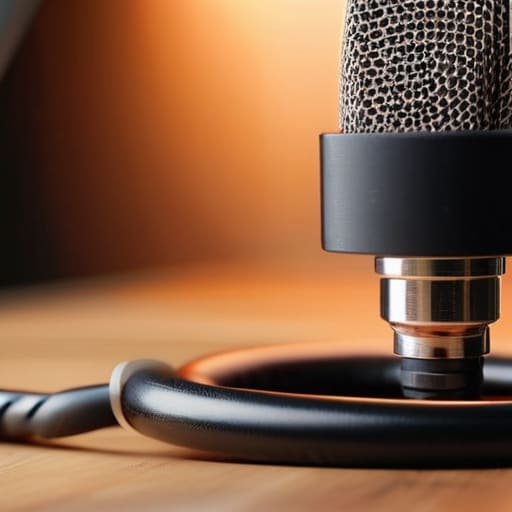
I finally sat down with my old condenser mic last night, stripped the casing, and realized that most “software glitches” are actually just physical frustrations. Before we start poking around in menus, you have to check the microphone jack connection with your own hands. I’ve spent many afternoons with a magnifying glass seeing how a single, microscopic fray in a copper strand—usually right where the cable meets the plug—can kill a signal entirely. If the wire feels limp or looks crimped, no amount of clicking will bring your voice back; you’re looking at a break in the circuit, plain and simple.
Once I’m sure the copper is intact, I look at how the machine “sees” the device. On a Mac, I often find that the audio input settings macOS have simply defaulted to a different, non-existent source. It’s like a clock where the gears are spinning, but the hands aren’t engaged with the mainspring. If the hardware is physically sound but the machine remains deaf, we aren’t fighting a broken wire; we are fighting a miscommunication between the components.
Navigating the Maze of Microphone Privacy Settings

Once I’ve confirmed that the wires aren’t frayed and the jack is seated firmly, I usually find the culprit hiding behind a digital curtain. It’s a bit like a modern security system; even if the sensor is perfectly functional, the software can simply decide to ignore it. I spent an hour last Tuesday staring at my laptop, convinced the hardware had finally surrendered, only to realize I had accidentally toggled the microphone privacy settings to “off.” It’s a bit maddening, really—the machine is perfectly capable of hearing me, but it has been told to pretend I don’t exist.
Whether you are navigating the labyrinth of audio input settings macOS or digging through the menus on a PC, you have to check if the operating system has actually granted permission to your apps. Sometimes, a recent update decides that your webcam or microphone is a “threat” to your privacy and shuts the door without telling you. If you find yourself shouting at a screen during a video call, don’t reach for the screwdriver just yet; look for that little padlock icon in your settings first.
Five Ways to Find the Break in the Chain
- Check the physical continuity. I once spent an hour cursing a software glitch, only to find that the copper wire inside the jack had snapped right at the strain relief. Wiggle the cable while you’re recording; if the signal jumps or crackles, you don’t have a settings problem, you have a broken circuit.
- Inspect the diaphragm’s breathing room. If you’ve left your microphone sitting in a dusty drawer, a layer of grit might be sitting on the thin membrane that actually vibrates to create the sound. A gentle puff of air—not a blast of compressed air, mind you—can sometimes clear the path for the sound waves to move the hardware again.
- Look for the “phantom” mute. Many modern headsets have a tiny, tactile switch on the cord or the earcups that feels almost like a nothingness. If the hardware is getting power but the signal is dead, check for that physical break in the circuit that no amount of clicking through menus will ever fix.
- Test the impedance with a different port. Sometimes a USB port isn’t providing a clean, steady stream of current, or a jack is just loose in its housing. If you plug the mic into a different socket and the “hum” disappears, the issue wasn’t the microphone at all, but a faulty connection in the machine’s spine.
- Verify the driver’s handshake. Think of the driver as the translator between the physical vibration and the digital code. If the computer sees the device but refuses to listen, the translation manual is outdated. Reinstalling that specific piece of software is like giving the machine a fresh set of instructions on how to interpret the electricity coming from the mic.
What I Learned Under the Hood
Before you start cursing at your software updates, check the physical path; a frayed wire or a loose jack is a mechanical failure, not a digital one.
Privacy toggles are just electronic gates, and if the gate is closed, it doesn’t matter how much voltage you’re sending to the diaphragm.
If the hardware is intact and the settings are open but you’re still met with silence, the problem is likely a breakdown in the translation between the physical vibration and the digital signal.
Beyond the Silence
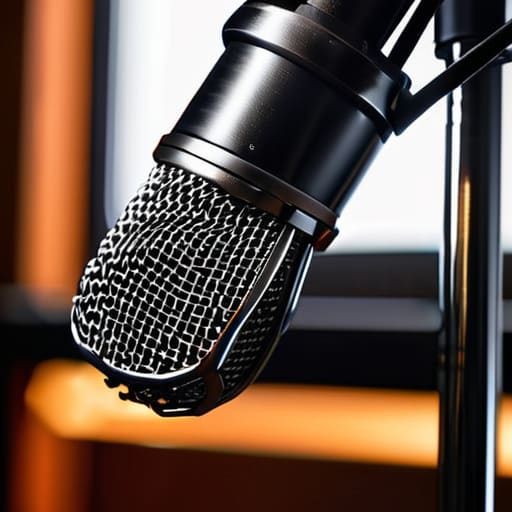
At the end of the day, fixing a microphone is rarely about a single magical button; it is a process of elimination. We started by checking the physical integrity of the connection—looking for that frayed wire or the loose jack that refuses to seat properly. Then, we moved into the digital architecture, navigating those stubborn privacy permissions that act like a locked gate between your voice and the software. Whether the fault lies in a physical break in the circuit or a software setting that is simply being too protective, you now have the tools to trace the signal from your lips to the machine. If the hardware is intact and the settings are open, but the silence remains, then we are looking at a deeper failure of the transducer itself.
I have spent many evenings hunched over a workbench, peering through a jeweler’s loupe at tiny, silent components, and I have learned that nothing is truly broken beyond understanding. Technology often feels like a black box designed to keep us out, but once you peel back the plastic casing and trace the path of the electrons, it becomes much less intimidating. Don’t let a silent device frustrate you into submission. Instead, treat it like a puzzle waiting to be solved. Once you understand the mechanism, you don’t just own the device—you actually master it.
Frequently Asked Questions
If I’ve checked the privacy settings and the wires are intact, how can I tell if the actual diaphragm inside the mic has finally given up the ghost?
To know if the diaphragm has perished, you have to listen for the “breath” of the machine. I took my old condenser mic apart last Tuesday; once you bypass the casing, you can see that thin, delicate membrane. If you gently tap the housing and hear absolutely nothing—no dull thud, no vibration, just a void—the physical bridge between sound waves and electricity has snapped. It’s not a software glitch; the heart has simply stopped beating.
Is there a way to test if the problem is my computer’s sound card rather than the microphone itself?
The Sound Card Dilemma: Is the Brain or the Limb Broken?
When I plug in a USB microphone, why does the computer sometimes act like nothing has been attached at all?
The “Ghost Plug” Problem: When a USB mic vanishes upon connection



