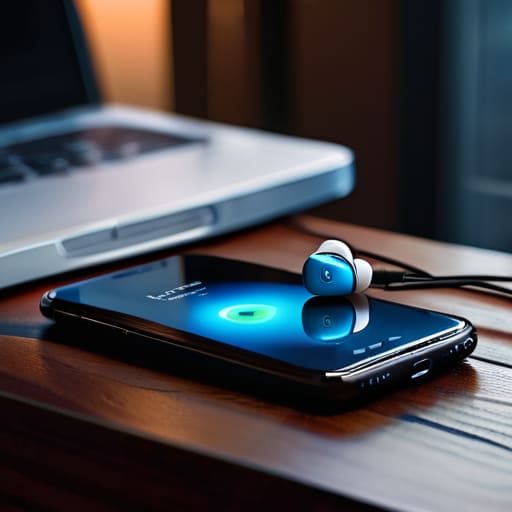

I was sitting at my workbench last Tuesday, the smell of machine oil and old brass hanging in the air, trying to coax a stubborn 1950s mantle clock back to life. My mind drifted to the digital equivalent of a jammed gear: that sudden, silent frustration when you’re just trying to play a song and your phone and speakers decide they are strangers. Most tech blogs will tell you to “reboot your router” or “update your firmware” as if those are magic spells that fix everything. They treat the problem like a ghost in the machine, but I know better. If you are searching for how to fix bluetooth that will not pair, you don’t need a lecture on cloud computing; you need to understand the broken handshake happening between your devices.
I am not going to waste your time with generic troubleshooting steps that require a degree in computer science. Instead, I am going to approach this like I approach a delicate escapement mechanism: by looking at the actual physical and logical connections that have failed. We are going to strip away the mystery and look at the signal interference and the digital protocols that are tripping each other up. I promise to show you exactly what is happening in that invisible space between your gadgets so you can actually get them talking again.
The Ghost in the Machine Bluetooth Connection Troubleshooting Steps
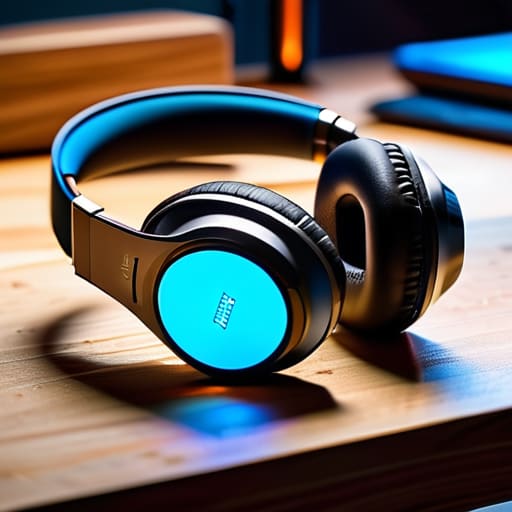
When I sat at my workbench last Tuesday with a stubborn pair of headphones, I realized that Bluetooth isn’t a solid thing; it’s a conversation of radio waves, and sometimes, the speakers simply stop listening. Most people think a connection failure is a hardware death sentence, but usually, it’s just a case of “digital clutter.” The first thing I do is clear bluetooth pairing history on both the sender and the receiver. It’s much like cleaning the grit out of a clockwork escapement; you have to remove the old, dusty memories of previous connections so the mechanism can start fresh. If the devices are still ignoring each other, you must ensure the peripheral is actually in bluetooth device discovery mode. If that little LED isn’t pulsing, the device is effectively wearing earmuffs, and no amount of clicking “connect” on your phone will change its mind.
Unpairing and Repairing Bluetooth Devices to Restore Order
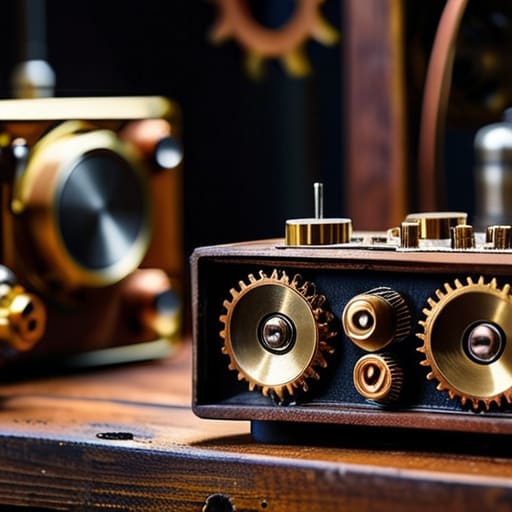
Sometimes, the digital memory of a device gets cluttered, much like a clockwork mechanism gummed up with old, dried oil. The two components think they know each other, but they are operating on outdated instructions. When you unpair and repair bluetooth devices, you are essentially performing a hard reset on their relationship. I spent yesterday afternoon stripping down an old radio, and it reminded me that sometimes you have to clear the slate entirely before you can find the rhythm again. You must go into your settings and manually clear bluetooth pairing history so the device stops trying to shake hands with a ghost.
Once the slate is clean, you have to force the hardware back into its most basic state. This is where most people stumble; they expect the device to just “know” it’s being watched. You have to trigger the bluetooth device discovery mode—that specific, rhythmic blinking light that tells the world, “I am here and I am listening.” If you don’t see that signal, the device isn’t actually looking for a partner; it’s just sitting there in silence, waiting for a command it hasn’t been told to follow.
The Physics of the Invisible Handshake: Five Ways to Force a Connection
- Clear the airwaves of electromagnetic clutter. Bluetooth operates on the 2.4 GHz band, which is a crowded neighborhood shared by microwaves, Wi-Fi routers, and even baby monitors. If your device is struggling to pair, move it away from the microwave or the router; sometimes, the signal is simply being drowned out by a louder, more obnoxious neighbor.
- Reset the logic of the hardware. Every digital device has a tiny, volatile memory where it stores its current state. When a pairing fails, the device often gets stuck in a loop of “expecting” a specific handshake that isn’t happening. Powering down completely—not just putting it in sleep mode—forces the capacitors to discharge and clears that confused mental state.
- Check the power levels of the transmitter. A low battery doesn’t just mean the device will turn off soon; it often means the radio transmitter is being throttled to save energy. If the voltage isn’t high enough to maintain a stable oscillation in the signal, the “handshake” will be too weak to complete, no matter how close you stand.
- Audit your device list for “phantom” connections. Sometimes a device thinks it is already talking to something else. I’ve found that if a device has a stale, half-remembered connection to a phone in the other room, it will ignore your new request entirely. You have to make sure the device is truly “listening” and not just daydreaming about its last partner.
- Update the firmware to fix the math. Bluetooth pairing relies on complex cryptographic handshakes—mathematical protocols that ensure the devices are who they say they are. If the software (the firmware) has a bug in how it calculates these exchanges, the handshake will fail every single time. A firmware update is essentially just a way to give the device a better set of instructions for its internal logic.
The Physics of a Proper Connection
Bluetooth isn’t magic; it’s a precise dance of radio frequencies, so if the devices aren’t “seeing” each other’s signal, you have to clear the digital clutter by unpairing and starting the handshake from scratch.
Think of your devices like a clockwork mechanism—if one gear is jammed by a software glitch, the whole system stalls, which is why a simple restart often does more than any fancy settings menu.
If you can’t get that pairing light to blink with its usual rhythm, stop guessing and look for the physical interference or the “ghost” connection that’s hogging the frequency.
The Quiet Rhythm of Connection
At the end of the day, fixing a stubborn Bluetooth connection isn’t about magic; it’s about clearing the debris from the signal path. We’ve looked at everything from the simple necessity of a clean slate—that means unpairing and starting over—to the physical reality of interference and battery levels. Whether it was a software glitch acting like a stuck gear in a clock or a simple distance issue, the goal was always to restore that invisible handshake. If you can’t get the devices to acknowledge one another, remember that it usually boils down to a breakdown in communication protocols, not a permanent failure of the hardware itself.
I often think about my old grandfather clocks; they don’t just stop because they want to be difficult, they stop because a tiny bit of dust has disrupted the escapement. Technology is much the same. When your devices refuse to pair, don’t view it as a frustration, but as a mechanical puzzle waiting for its solution. There is a profound satisfaction in taking something that feels broken and invisible and bringing it back into alignment. Once you understand the rhythm of how these signals dance through the air, you stop being a victim of the tech and start becoming its master.
Frequently Asked Questions
If I’ve cleared the memory on both my phone and my headphones, why do they still act like they’ve never met?
It’s maddening, isn’t it? You’ve wiped the slate clean, yet they still stare at each other like strangers in a crowded station. When I opened up my old transistor radio last week, I learned that a clean slate doesn’t matter if the “handshake” protocol is stuck in a loop. Sometimes, the hardware itself is still holding onto a ghost of the old connection in its temporary cache. We need to force a hard reset on the headphones—not just a clear, but a power cycle that drains the capacitors completely.
Is there a physical way to tell if the Bluetooth chip inside my speaker has actually given up the ghost?
To know if the chip has truly died, you have to look past the software. If I were sitting at my workbench with your speaker, I’d be looking for the “heartbeat.” When you toggle the power, does the indicator light flicker or pulse, even if it won’t pair? If there is no light, no heat from the battery, and no response to a hard reset, the circuit is broken. The silicon has likely surrendered.
Why does my device pair perfectly when it’s sitting right next to me, but the connection falls apart the moment I walk into the next room?
It’s a matter of signal attenuation and the physics of interference. When you’re sitting right there, the radio waves are traveling a clear, short path. But the moment you step away, those waves have to fight through drywall, furniture, or even your own body. Think of it like a whisper in a quiet room versus trying to shout through a heavy velvet curtain. The signal is still there, but it’s losing its strength to the obstacles in between.



