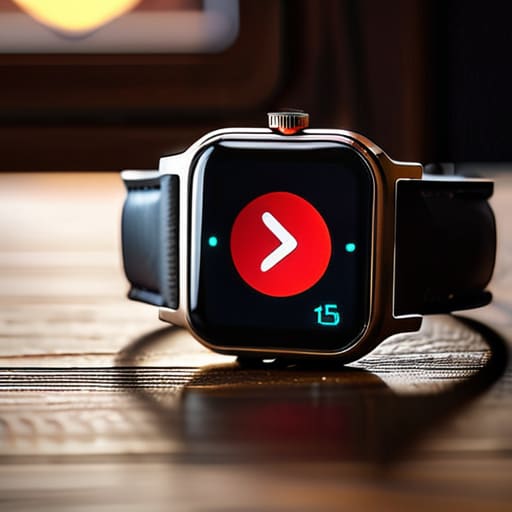

I was sitting at my workbench last Tuesday, the smell of isopropyl alcohol still hanging in the air, when my grandson came in looking utterly defeated by his wrist. He’d been following those glossy, step-by-step “troubleshooting guides” online that tell you to reboot your router or update your firmware, as if a software patch can magically repair a broken handshake between two pieces of silicon. It’s infuriating how much the tech industry relies on jargon to hide the fact that most devices are just struggling to maintain a simple, invisible conversation. If you are currently staring at a blank screen wondering how to fix a smartwatch that will not connect, stop reading the manuals written by people who have never actually seen the circuit board.
I don’t care about the marketing fluff; I care about the physical reality of the signal. In this guide, I’m going to show you exactly what is happening when that Bluetooth handshake fails, stripping away the mystery until we find the actual culprit. We aren’t going to play guessing games with your settings; instead, I will walk you through the practical, mechanical logic of the connection so you can regain control of your hardware.
Diagnosing the Bluetooth Connection Issues Fix
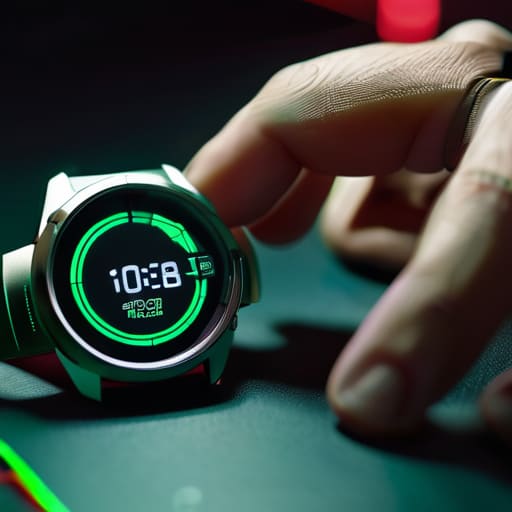
Before we start poking at the software, we need to look at the physical reality of the handshake. I sat at my workbench with my old multimeter last week, thinking about how these devices “talk,” and it reminded me that a connection isn’t magic; it’s just a radio wave finding a target. If you’re dealing with a smartwatch app connection error, the first thing I do is check the hardware’s “eyes.” Flip that watch over. Is the optical sensor pulsing? If that green light isn’t flickering, the watch isn’t even in a state where it can attempt a handshake. It’s like trying to call someone whose phone is dead; the signal simply has no foundation to stand on.
If the lights are on but the data isn’t flowing, we have to look at the invisible tether. Most people assume the error is in the watch, but usually, it’s a breakdown in the syncing smartwatch with smartphone protocol. I’ve found that the Bluetooth cache on your phone often gets “clogged” with old, ghost versions of the device. Go into your phone’s settings and tell it to forget the watch entirely. It feels aggressive, I know, but you have to clear the slate before you can start your smartwatch pairing troubleshooting properly.
Decoding the Sudden Smartwatch App Connection Error
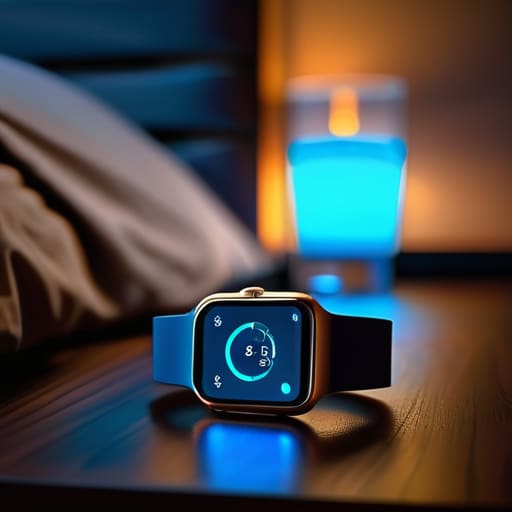
Once I unscrewed the casing on my old bedside alarm clock last week, I realized that most failures aren’t about a broken gear, but a missed signal. The same goes for your phone. When you see that dreaded smartwatch app connection error pop up on your screen, it’s rarely because the hardware has spontaneously combusted. Usually, it’s a digital handshake that simply failed mid-motion. I’ve found that the app often gets “stuck” in a loop, thinking it’s still talking to the watch when the actual data stream has already dried up.
To get things moving again, don’t just tap the screen repeatedly; that’s like hitting a frozen clock with a hammer. Instead, try force-closing the application entirely. If that doesn’t work, you might need to dive deeper into your phone’s Bluetooth menu to “forget” the device. Sometimes, the software is just holding onto a ghost of a previous connection. If you’re still stuck, you may eventually have to reset smartwatch to factory settings, which is the digital equivalent of cleaning every single tooth off a gear—it’s a headache, but it clears the slate for a fresh start.
Five ways to find the broken link in the chain
- Check the battery levels on both ends; if that little sensor on the back of the watch isn’t getting enough juice to pulse, it won’t have the strength to shout its signal across the room to your phone.
- Clear the digital cobwebs by turning your phone’s Bluetooth off and back on, because sometimes the software gets stuck in a loop, pretending it’s searching when it’s actually just idling.
- Forget the device in your phone’s settings entirely and start fresh, because if the handshake between the two was messy the first time, they’ll keep tripping over each other every time they try to reconnect.
- Look at the watch face for any “Airplane Mode” icons; it’s a silly thing, but I’ve seen many a perfectly good piece of hardware sitting there completely silent because it’s been told to ignore the world.
- Give the app a hard reset by force-closing it, because a running program isn’t always a working one, and sometimes the app needs to be reminded that there is a physical device waiting to talk to it.
The Anatomy of a Disconnect
If the little green light on the underside of the casing isn’t pulsing, the sensor isn’t even trying to shake hands with your phone, so don’t bother digging through your software menus until you’ve checked the hardware’s pulse.
A connection error is often just a matter of digital clutter; unpairing the device entirely and forcing the phone to “forget” it is like cleaning the grit out of a gear—sometimes you have to clear the path before the teeth can mesh again.
Remember that these devices rely on a constant, invisible conversation, and if your phone’s battery-saver mode is too aggressive, it’s essentially cutting the wires to the communication line to save energy.
The Pulse Beneath the Glass
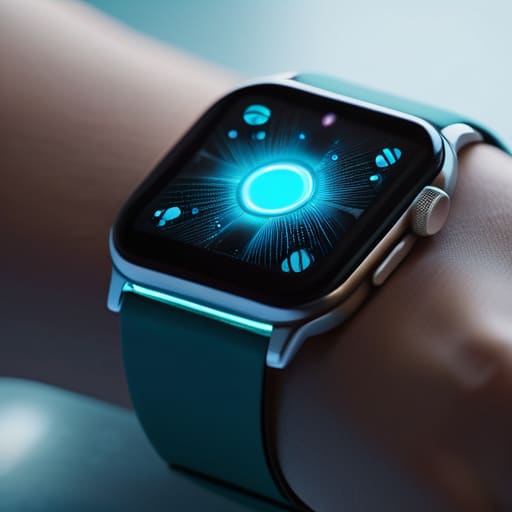
At the end of the day, getting that little piece of silicon to talk to your phone usually comes down to clearing the digital clutter. Whether it was a stubborn Bluetooth handshake that needed a reset, a software bug hiding in the app’s cache, or simply a sensor that needed a fresh bit of power, we’ve traced the breakdown to its source. We looked past the shiny screen and focused on the invisible handshakes that make these gadgets function. Remember, if the connection fails, it isn’t magic gone wrong; it is almost always just a miscommunication in the protocol that a simple restart or a re-pairing can settle.
I often think about my old pendulum clocks while I’m troubleshooting these modern bits of kit. A clock doesn’t care about your feelings, and neither does a Bluetooth chip; they both just require the right sequence of events to maintain their rhythm. Don’t let a silent wrist discourage you from using the tools you’ve bought. Once you understand that these devices are just layers of logic and electricity stacked on top of one another, they become much less intimidating. Keep poking, keep questioning, and never stop trying to see what is happening under the hood.
Frequently Asked Questions
If I reset the watch to factory settings, will I lose all the data from my heart rate logs and steps?
I had to open up an old digital pedometer once to see where the memory actually sat, and it taught me a lesson: the watch is just a temporary bucket. If you trigger a factory reset, you are essentially emptying that bucket. Anything not already poured into your phone’s app—your heart rate logs, those long walks, your step counts—will vanish. Sync your data one last time before you wipe the slate clean.
Does the battery level actually matter for Bluetooth, or will it still try to pair even when the charge is nearly dead?
It matters more than you’d think. When I opened up my old digital multimeter last week, I was reminded that voltage isn’t just a number; it’s the pressure driving the whole system. If your watch is hovering at 5%, it’s likely entered a “survival mode.” To save what little juice is left, the processor throttles the radio signal. It isn’t actually “broken”—it’s just too exhausted to shout loud enough for your phone to hear it.
Is there a way to tell if the Bluetooth chip inside the watch has physically failed, or is it always just a software glitch?
I’ve sat at my workbench with a multimeter more times than I can count, and I’ll tell you this: hardware doesn’t lie, but it is much more stubborn than software. If you’ve reset the pairing and cleared the cache, but that little antenna inside isn’t drawing any current—or if the watch gets unnaturally hot near the chip—then the silicon has likely given up. Software glitches are flighty; a dead chip is a heavy, silent finality.



