
I was hunched over my workbench last Tuesday, squinting through a jeweler’s loupe at the escapement of a 19th-century French carriage clock, when I realized how much modern security talk reminds me of a poorly soldered circuit. People throw around these grand, sweeping terms about digital fortresses, but they never actually stop to ask what two factor authentication protects in a way that makes sense to a human being. Most tech gurus want to sell you on the “unbreakable” nature of a system, but I’ve spent thirty-four years teaching students that nothing is unbreakable if you don’t understand the mechanism behind the failure.
I’m not here to give you a lecture on encrypted algorithms or high-level jargon that sounds impressive but means nothing when your bank account is actually at risk. Instead, I want to pull the casing off this concept and show you the gears. I promise to explain this by looking at the actual physical hurdles it creates for a thief, stripping away the marketing fluff until we can see exactly how it functions when you aren’t even looking at your screen.
Preventing Unauthorized Account Access in the Dark
Preventing Unauthorized Account Access in the Dark
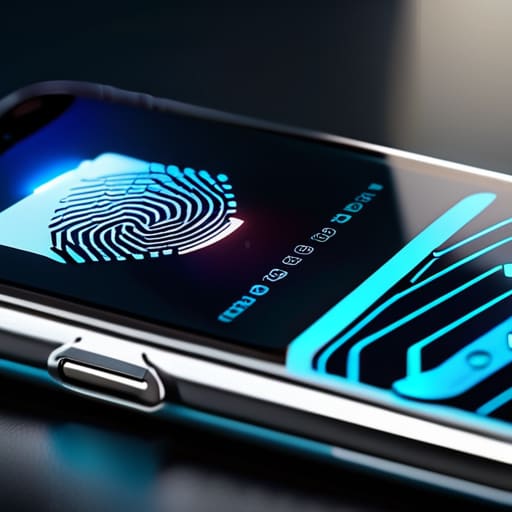
When I sit at my workbench with a dismantled pocket watch, I see how a single slipped gear can stall the entire mechanism. Digital security works much the same way. Most people think of a password as a sturdy lock, but in reality, it’s often more like a flimsy latch that a clever thief can easily lift. This is where the real magic of preventing unauthorized account access happens. Even if a hacker manages to “pick” your password through a data breach or a clever guess, they hit a sudden, immovable wall. They might have the key to the front door, but they don’t have the physical token or the thumbprint required to turn the inner bolt.
Think of it as a secondary tripwire that stays active even when you are asleep. Whether it is a code sent to your phone or a quick scan of your face, these security authentication methods act as a silent sentry. They ensure that the person claiming to be “you” actually possesses the physical objects that belong to you. It’s about making sure the mechanism only engages when the right physical conditions are met.
Multi Factor Authentication Benefits for Your Digital Ghost

When I sit at my workbench with a vintage pendulum clock, I’m looking for the silent failures—the tiny bit of grit in a gear that stops the whole mechanism while the face still looks perfectly fine. Your digital presence is much the same. You leave behind a “digital ghost,” a trail of data, login credentials, and habits that exist even when your screen is dark. If a thief manages to replicate your password, they aren’t just stealing a string of characters; they are attempting to inhabit your very identity. This is where the true multi-factor authentication benefits come into play. It acts as a secondary, invisible tripwire that catches the intruder before they can start moving through your life.
By adding layers like a fingerprint or a timed code, you are essentially installing a fail-safe mechanism that requires two different types of energy to activate. It’s the difference between a simple latch and a complex combination lock. Whether you are weighing the pros of biometric vs sms authentication, you are ultimately building a barrier that makes your digital ghost much harder to haunt. Even if they have the key, they won’t have the heartbeat or the physical device required to turn the lock.
Five Ways to Keep Your Digital Gears from Stripping
- It stops a single point of failure. In my workshop, if a single gear tooth snaps, the whole clock stops; in your digital life, a password is that one tooth. 2FA ensures that even if that one piece breaks or gets stolen, the mechanism as a whole keeps ticking securely.
- It acts as a gatekeeper for your “shadow data.” Even when you aren’t logged in, your metadata—where you are, what you buy, who you talk to—is spinning away in the background. 2FA ensures that a stranger can’t hijack that stream of information while you’re sleeping.
- It mitigates the “credential stuffing” effect. I’ve seen how a single loose spring can rattle an entire machine apart; hackers use one leaked password to try every other door you have. 2FA means that even if they have the “key,” they don’t have the physical mechanism required to turn the lock.
- It provides an early warning system. If your phone buzzes with a login code while you’re just sitting there sipping tea, you know immediately that someone has tampered with your “machinery.” It’s the digital equivalent of hearing a strange click in a clockwork movement—it tells you something is wrong before the damage is done.
- It protects your digital identity from being cloned. A password is just a string of characters, easily copied like a bad blueprint. But a second factor—like a physical security key or a biometric thumbprint—is a physical property that can’t be easily duplicated by someone just staring at your screen.
The Anatomy of a Secure Account
A password is just a single mechanical latch; 2FA adds a secondary, independent mechanism that ensures the door stays shut even if the first one fails.
Security isn’t about being impenetrable, it’s about creating enough friction that a thief can’t operate your digital life while you’re busy sleeping.
True protection happens in the background, acting as a silent watchdog that verifies your identity through a second channel before any gears are allowed to turn.
The Final Gear in the Machine

When I sit at my workbench with a disassembled pocket watch, I see how much the smallest spring matters; if it fails, the whole mechanism loses its purpose. Two-factor authentication is that tiny, essential spring for your digital life. It isn’t just a fancy extra step to annoy you while you’re trying to check your email; it is the mechanism that ensures your identity remains intact even when your password—your primary key—has been compromised. By requiring that second, physical piece of evidence, you are essentially ensuring that your digital presence has a physical anchor that a thief halfway across the world simply cannot reach. It transforms your security from a single point of failure into a robust, multi-layered system.
I know that setting these things up can feel like an unnecessary complication, much like adding an extra lever to a clock that already seems to tell the time just fine. But in my experience, the most reliable machines are the ones that account for the unexpected. Don’t wait for a breach to realize your defenses were too thin. Take the time to tighten these bolts now, so that when you aren’t looking, your accounts are continuing to work exactly as they should. After all, true peace of mind comes from knowing that the mechanism is sound, even when you aren’t there to watch the hands move.
Frequently Asked Questions
If I lose my phone or that little physical security key, am I just locked out of my own life?
It’s a valid fear—the idea of being locked out of your own digital house. I actually had to dismantle my old router last month to understand why it wouldn’t handshake with my backup, so I know the frustration. The trick is the “spare key” principle. If you don’t set up recovery codes or a secondary method while you’re sitting comfortably, you are indeed stranded. Think of it like a mechanical lock; you need a backup plan before you lose the primary.
Does using a text message code actually count as real protection, or is it just a flimsy makeshift gear?
It’s a bit like a wooden latch on a heavy door. It isn’t a high-security steel vault, but it certainly isn’t nothing. When I look at a text code, I see a secondary physical bridge; even if a thief has your digital key, they still need to physically possess your specific handset to cross that gap. It’s a makeshift gear, yes, but in the machinery of security, even a small, extra cog can stall a much larger theft.
If I have 2FA turned on, does that mean a hacker can't see my private data even if they manage to bypass the initial login?
Not necessarily. Think of 2FA as a sturdy deadbolt on your front door. It’s wonderful for keeping the intruder out of the hallway, but if they somehow pick the lock or climb through a window, the deadbolt won’t stop them from rummaging through your desk drawers. 2FA protects the entry point, but once someone is “inside” your active session, the lock is already bypassed. It buys you time, but it isn’t an invisible force field around your files.



