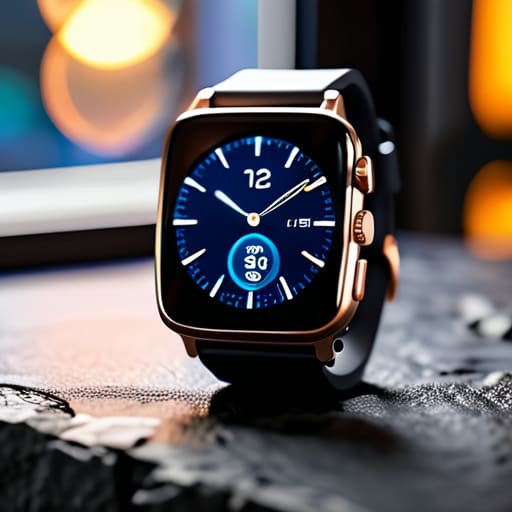

I spent thirty-four years in a physics classroom watching students stare blankly at equations, and I see that same glazed expression whenever someone tries to explain how to choose a smartwatch. Most salespeople will try to drown you in a sea of “nit brightness,” “haptic feedback,” and “proprietary ecosystems,” as if those technical specs actually mean anything when you’re just trying to get through a Tuesday. They treat these devices like holy relics, but to me, they are just little bundles of sensors and lithium-ion batteries waiting to be understood. I have no interest in a gadget that demands your constant attention just to prove it’s “smart”; I want to know what it’s actually doing for you when you aren’t even looking at the wrist.
I’m not going to give you a list of marketing bullet points to memorize. Instead, I’m going to help you look under the hood of what these things actually do in your daily life. We are going to strip away the hype and focus on the mechanics of your habits—whether that’s tracking your heart rate during a walk or simply ensuring the battery doesn’t die before you finish your evening reading. My promise is simple: I will help you find a tool that serves your routine, rather than a piece of jewelry that creates a new one.
Evaluating the Wearable Technology Ecosystem Beyond the Hype
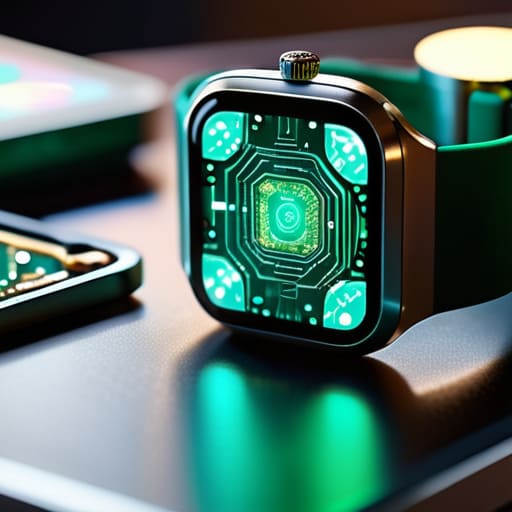
When I sat at my workbench last Tuesday, I spent three hours with a jeweler’s loupe trying to figure out why a specific sensor in a discarded fitness tracker was reporting such erratic data. It reminded me that a device is only as good as the invisible web of software it inhabits. You shouldn’t just look at the polished casing; you have to look at the wearable technology ecosystem supporting it. If the software is clunky or doesn’t talk to the other tools you already own, that expensive piece of hardware becomes nothing more than a very heavy, very shiny paperweight.
I often tell my former students that a system is a collection of interacting parts, not just a single object. The same applies here. A smartwatch operating system comparison is vital because the hardware is essentially a slave to the code. If the app ecosystem is shallow, the sensors—no matter how finely tuned the accelerometers or optical heart rate monitors are—will have nothing meaningful to do with the data they collect. You aren’t just buying a strap and a screen; you are buying the way that device interprets your life when you aren’t even looking at it.
The Truth About Smartwatch Fitness Tracking Features in Motion

I spent last Tuesday with a jeweler’s screwdriver and a set of tweezers, trying to get a look at the optical sensor array on my old training watch. It’s a fascinating little arrangement of green LEDs and photodiodes, but it reminded me of a lesson I used to give my students: a measurement is only as good as the stability of the instrument. When we talk about smartwatch fitness tracking features, we often get distracted by the colorful graphs on the screen, but the real physics happens at the skin interface. If the sensor housing isn’t snug or the light leakage is too high, those heart rate numbers are nothing more than mathematical guesswork.
When you are actually moving—running through a drizzle or swimming laps—the hardware has to maintain that contact under stress. I don’t care how many apps a device claims to have if the water resistance ratings for wearables are poorly implemented, leading to condensation behind the glass. You aren’t looking for a digital trophy; you are looking for a tool that maintains its integrity when the environment gets messy. If the sensor can’t handle the vibration of your stride, the data is useless.
The Mechanics of Daily Use: Five Things to Check Before You Commit
- Look past the sensor array and check the battery life when the screen is idle; a watch that dies halfway through a Tuesday because it’s constantly hunting for a signal is just a heavy, expensive bracelet.
- Test the physical interface—the buttons and the haptic feedback—because if you can’t trigger a function with a clumsy thumb while you’re actually moving, the software’s elegance won’t matter at all.
- Don’t get distracted by the number of apps available; instead, ask yourself how many of those features will actually trigger a habit, like a silent vibration to remind you to hydrate or a quick glance at a calendar during a grocery run.
- Consider the strap’s material and the casing’s weight, because once you’ve taken the device apart, you realize the most important “feature” is how it integrates with your skin without causing an irritation you’ll eventually want to strip off.
- Verify the ecosystem’s “passive” utility—meaning, how does the watch behave when you aren’t looking at it? If it doesn’t provide meaningful, quiet data like sleep cycles or step counts without you having to manually start a session, it’s not working for you; you’re working for it.
My Three Rules for Not Buying a Paperweight
Don’t get distracted by the glowing pixels; look at the sensors underneath the glass. If you aren’t going to use the heart rate monitor or the accelerometer to track your actual movements, you’re just paying for a very expensive, very bright bracelet.
Check the battery’s true behavior, not the manufacturer’s laboratory claims. I want to know how long that tiny lithium cell actually holds a charge when the screen is dim and the device is sitting idle on your nightstand, not just how long it lasts during a sprint.
Ensure the software serves your habits rather than demanding your attention. A good watch should work for you while you’re busy living, not buzz incessantly just to remind you that it exists.
The Final Gear in the Machine
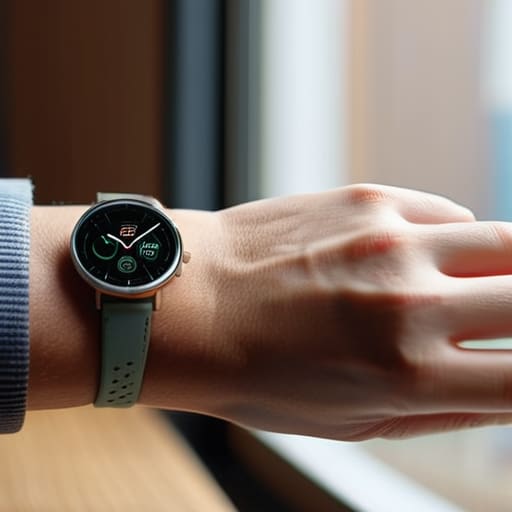
At the end of the day, choosing a smartwatch isn’t about collecting a list of impressive specifications to show off at dinner; it is about understanding how that little cluster of sensors and silicon will actually live on your wrist. I’ve spent enough time with a screwdriver in my hand to know that a device is only as good as its most reliable component. You need to ensure the ecosystem won’t leave you stranded with a dead battery by noon, that the sensors are actually measuring what you need them to measure, and that the interface doesn’t become a source of friction in your daily routine. Don’t let the marketing departments convince you that more features equal more value. If the software is too heavy or the data is too noisy, it’s just expensive clutter waiting to happen.
When I sit at my workbench, I look for the elegance in how a mechanism functions when the tension is released. A good smartwatch should be much the same—it should work so seamlessly that you eventually forget it is even there. It shouldn’t demand your constant attention; it should quietly serve your habits, whether that’s nudging your posture or keeping time while you’re gardening. Look for the tool that fits your life, not the one that tries to rewrite it. Once you find that perfect balance of utility and simplicity, you’ll realize that the best technology is the kind that simply works when you aren’t even looking at it.
Frequently Asked Questions
If I'm not planning to go for a run every morning, am I just paying for a collection of sensors that will sit idle on my wrist?
Not necessarily, though it’s a valid worry. When I opened up an old mechanical stopwatch, the beauty wasn’t in the ticking, but in the tension of the mainspring. A smartwatch is similar. Even if you aren’t sprinting, those sensors are quietly measuring your heart rate variability or sleep cycles in the background. You aren’t paying for the “run”; you’re paying for the data that tells you why you feel exhausted on a Tuesday.
How much of the "smart" functionality actually relies on my phone being in my pocket, and what happens to the watch when it's disconnected?
I had to strip the casing off my old Garmin just to see where the Bluetooth antenna actually lives. Most of these watches are essentially just “pretty peripherals.” If your phone is in your pocket, the watch is doing the heavy lifting of processing data, but it’s leaning on your phone for the brainwork—like fetching a text or updating a map. Once you walk out of range, the watch becomes a lonely, isolated pedometer. It’ll still count your steps and track your heart rate, but it loses its “smart” soul. It becomes a very expensive, very quiet stopwatch.
When we talk about battery life, are we talking about the device actually working, or just the screen staying dark?
That is the most important question you can ask. When a manufacturer claims “ten days of battery life,” they are usually describing the device in a state of suspended animation—the screen is dark, the sensors are idling, and it’s doing nothing but waiting for you to notice it. I want to know what happens when the gears are actually turning. How long does it last when the heart rate monitor is pulsing and the GPS is actually hunting for a signal?