
I spent thirty-four years in a physics classroom watching students stare blankly at circuit diagrams, and if there is one thing I’ve learned, it’s that a shiny spec sheet is often just a very expensive way to hide a lack of substance. Most people approach the question of how to choose a drone by obsessing over megapixels or maximum flight times, as if those numbers tell the whole story. But a number on a page doesn’t tell you how the brushless motors will react when a sudden thermal hits, or whether the flight controller is actually smart enough to keep the thing steady when you aren’t looking. I’ve spent my retirement taking apart delicate clockwork, and I can tell you: the magic isn’t in the marketing, it’s in the mechanics.
I’m not here to sell you on the latest gadget or help you chase every fleeting trend. Instead, I want to help you look past the plastic casing and understand the actual physics of what you’re holding. We are going to strip away the hype and focus on the mechanical reality of these machines. By the time we are done, you won’t just be picking a toy; you’ll be choosing a tool that you actually understand.
Beyond the Specs Best Drones for Beginners
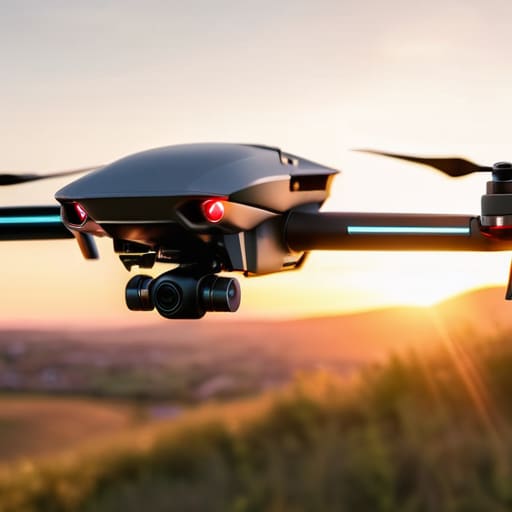
When I first opened up a standard consumer quadcopter to see how it maintained stability, I realized that the “intelligence” people brag about is really just a frantic, invisible dance of sensors. For those looking for the best drones for beginners, you shouldn’t be looking for the most complex flight controller, but rather the one with the most forgiving software. You want a machine that handles the micro-adjustments for you so you can focus on the horizon rather than a screen.
I spent a weekend tinkering with a few entry-level models, and I’ve learned that the real bottleneck isn’t the camera—it’s the energy density. Most beginners get seduced by high-end drone sensor size and resolution, thinking they’ll be capturing National Geographic footage immediately. But if you don’t account for the physics of drone flight time and battery life, you’ll spend more time tethered to a wall outlet than actually seeing the world from above. A drone is only as useful as the minutes it can stay aloft without a panic-induced emergency landing.
Understanding Drone Sensor Size and Resolution
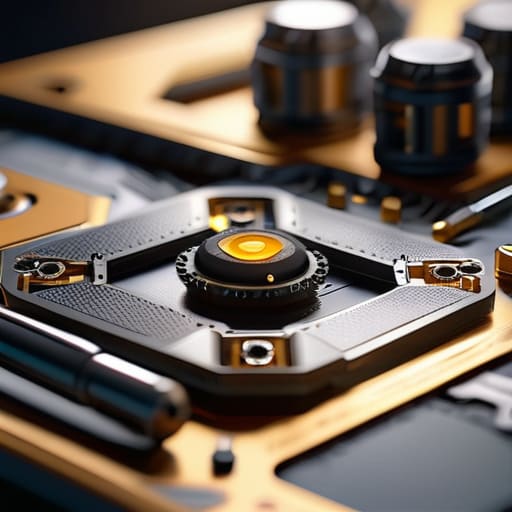
I spent last Tuesday with a precision screwdriver and a pair of tweezers, finally coaxing the casing off a compact hobbyist model to see what was actually catching the light. When we talk about drone sensor size and resolution, most people get caught up in the “megapixels” game, but that’s a bit like judging a clock by how many numbers are on its face. A high number of pixels on a tiny, cramped sensor is just a recipe for noisy, grainy images when the sun starts to dip. I want to see how that sensor handles the physics of light when the shutter is working hard.
The real magic happens in the physical surface area of the sensor itself. A larger sensor—think of it as a wider net—collects more photons, which means your shadows stay deep and your highlights don’t blow out into a white mess. If you are looking into aerial photography equipment, don’t let a flashy marketing term distract you from the actual dimensions of that silicon chip. If the sensor can’t capture enough raw data to distinguish a leaf from a shadow, all those extra megapixels are just empty promises.
The Mechanics of Choice: What to Look for When the Props Stop Spinning
- Don’t get seduced by the flight time on the box; look at the battery’s discharge rate and how much weight it actually carries when the wind picks up. A drone that claims thirty minutes but struggles to stay level in a light breeze is just a very expensive paperweight.
- Check the connection between the controller and the unit, not just the range. I want to know how the signal behaves when there’s a bit of interference or a tree in the way—if the link is fragile, the whole machine is unreliable.
- Look at the gimbal, not just the camera lens. A high-resolution sensor is useless if the mechanical stabilization can’t counteract the vibrations of the motors; if the gimbal doesn’t isolate the camera from the frame’s movement, your footage will always look shaky.
- Consider the “return to home” mechanism. It sounds like a simple software feature, but you need to know if it relies on GPS alone or if it has optical sensors to actually see where it’s landing when the signal gets fuzzy.
- Inspect the modularity of the parts. If a single propeller snaps or a motor gets grit in it, can you actually replace that specific component with a screwdriver, or does the whole unit become obsolete? I prefer machines that are meant to be maintained, not just discarded.
The Physics of the Flight: What to Remember
Don’t let a glossy brochure fool you; a drone isn’t just a flying camera, it’s a delicate balance of weight, thrust, and battery chemistry that you need to respect before you even power it on.
When you’re looking at sensor sizes, stop thinking about megapixels and start thinking about how much light the hardware can actually catch when the sun dips below the horizon.
Before you buy, ask yourself if the flight controller is intuitive enough that you can trust it to stabilize itself when a sudden gust of wind tries to turn your afternoon stroll into a rescue mission.
The Machine and the Moment
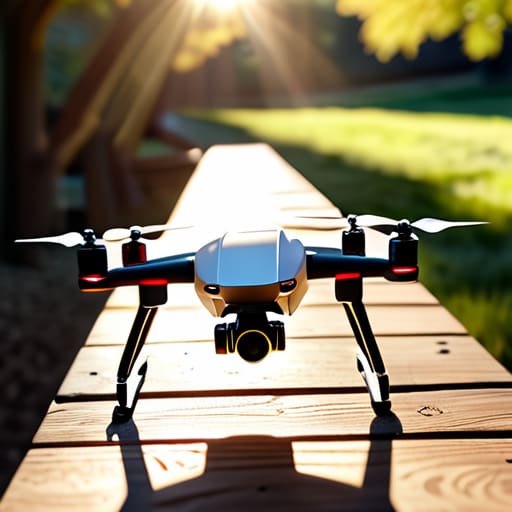
At the end of the day, choosing a drone isn’t about finding the device with the highest number on a marketing flyer; it is about finding the one that disappears into your workflow. We have looked at how sensor size dictates your image quality and how beginner-friendly flight controllers prevent a very expensive descent into a tree. But remember, a drone is just a collection of brushless motors, a lithium-polymer battery, and a series of logic gates working in concert to fight gravity. You need to ensure that the mechanical limitations—the battery life, the wind resistance, and the weight—don’t become the very things that stop you from actually using it. Don’t buy a heavy-duty rig if your goal is a light stroll through the park; buy the tool that matches your actual habits, not your aspirations.
I spent my career teaching students that physics doesn’t care about your intentions, only your actions. The same applies here. Once you strip away the plastic casing and the glowing LEDs, you are left with a beautiful, delicate dance of electromagnetism and aerodynamics. My advice? Don’t just stare at the screen while you fly. Look up. The drone is merely the bridge between your eyes and a perspective you weren’t meant to have. Find the machine that allows you to forget the controller is even there, because that is when the technology truly becomes magic.
Frequently Asked Questions
If I'm only planning to fly in my backyard, do I really need a drone with those high-end obstacle avoidance sensors, or is that just extra weight I don't need?
I took my old hobbyist quad apart last Tuesday, and it reminded me: sensors aren’t just “features,” they are a physical weight-to-logic trade-off. If your backyard is a wide-open patch of grass, those extra eyes are just dead weight pulling on your battery life. But if you’ve got low-hanging oak branches or a fence line, those sensors are the only thing preventing a very expensive lesson in kinetic energy. Check your perimeter before you check your specs.
How much does the battery capacity actually matter once you've accounted for the energy used just to keep the motors fighting a bit of wind?
Once you’ve factored in the energy required to fight a headwind, battery capacity becomes a game of diminishing returns. I’ve sat with a disassembled quadcopter and seen how much current those brushless motors pull just to maintain a hover in a breeze. A bigger battery adds flight time, yes, but it also adds mass. More mass means the motors have to work harder to lift the extra weight, which eats into those very minutes you were trying to gain.
When I look at the controller, should I be worried about the connection range, or is that just a number on a box that won't matter once I'm behind a tree?
That number on the box is a laboratory dream, not a field reality. When I opened up my old radio transmitter last month, I saw how much energy those signal waves actually need to fight through interference. Once you put a tree, a building, or even a thick layer of fog between you and the drone, that “10km range” evaporates. Don’t trust the sticker; trust how the signal behaves when the line of sight breaks.