

I spent thirty-four years watching teenagers stare blankly at chalkboard equations, waiting for some magical spark to make the physics click. Now, I see that same glazed look when people talk about software. They treat a notification about what an operating system update changes like it’s some mysterious, divine intervention from a cloud. They think it’s about “enhanced user experiences” or “optimized workflows,” but that’s just marketing fluff designed to hide the fact that nobody actually knows how the gears are turning. To me, an update isn’t a magic spell; it’s just a reorganization of the digital plumbing beneath your fingertips.
I’m not going to sit here and recite a list of shiny new icons or marketing buzzwords. Instead, I’m going to tell you what’s actually happening once you stop looking at the screen. I want to show you how these updates rearrange the way your hardware talks to your software, effectively realigning the internal clockwork of your machine. By the time I’m done, you won’t just know which buttons moved; you’ll understand the structural shifts that happen when the system is working behind your back.
Firmware and Kernel Changes the Unseen Foundation
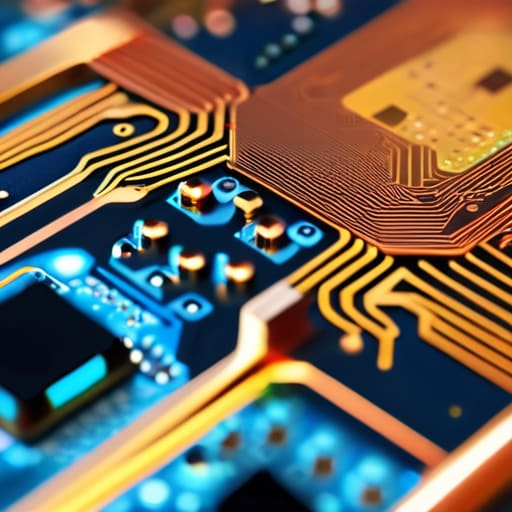
When I opened up that old transistor radio last week, I realized that the most important parts aren’t the ones you see through the plastic casing; they are the tiny, soldered connections that dictate how electricity flows. An update works much the same way. When we talk about firmware and kernel changes, we are looking at the digital equivalent of those solder joints. The kernel is the core engine, the invisible conductor that tells the hardware when to breathe and when to move. If an update modifies the kernel, it isn’t changing the color of your icons; it is rewriting the fundamental instructions that manage how your processor handles heat and energy.
I spent my career watching students struggle with the “why” of physics, and I see the same thing here. Most people focus on the shiny surface, but the real magic—and the real work—happens in the background. These updates often include driver compatibility updates, which act like a translator between your physical components and the software. Without these, your printer or your screen might suddenly find themselves speaking two different languages. It’s about ensuring the internal architecture remains cohesive, even when the parts are trying to do different things.
Software Patch Security Improvements Guarding the Silent Core

When I opened up my old grandfather clock last spring, I wasn’t looking for a way to make it faster; I was looking for the tiny, worn-down teeth in the escapement wheel that were letting energy slip through the cracks. Software is much the same. These software patch security improvements are essentially the digital equivalent of filing down those uneven teeth. Most of the time, you won’t see a single thing change on your screen, but under the hood, the update is closing microscopic gaps that hackers use to slip past your defenses. It’s about reinforcing the structural integrity of the code so that the “gears” don’t slip when someone tries to force them.
I like to think of these patches as a silent maintenance routine. While we often focus on the flashy new user interface elements that make our screens look pretty, the real work is happening in the dark. These updates are busy patching holes in the logic of the system, ensuring that the instructions being passed from one layer to another remain airtight. If the update doesn’t address these invisible vulnerabilities, the whole machine becomes unreliable, no matter how sleek the icons look.
Keeping the Gears Turning: My Rules for Surviving the Update Cycle
- Never update when you’re in the middle of a project. Just like I wouldn’t start cleaning the escapement of a grandfather clock right before a client needs it, you don’t want to hit a software snag when you actually have work to do.
- Always check the “Change Log” for the small stuff. Most people skip it, but that’s where the manufacturer admits they’ve moved a button or changed how a specific driver talks to your hardware. It’s the manual for the new configuration.
- Keep a physical backup of your most important files on an external drive. I’ve seen enough power surges and failed components to know that even the most stable operating system can trip over its own feet during a rewrite of the system files.
- Give the machine a little “settling time” after the restart. When I finish reassembling a watch, I don’t just wind it up and walk away; I watch how it breathes. Your computer needs a few minutes to re-index its files and settle its new background processes.
- Don’t fear the “Update Required” prompt, but don’t rush it either. Think of it like oiling a machine; if you do it too late, the friction builds up and causes damage, but if you do it while the machine is running at full speed, you’re just asking for a mess.
The Quiet Mechanics of a Better Machine
An update isn’t just a facelift for your icons; it’s a deep cleaning of the gears, reordering the way the software talks to the hardware so nothing gets stuck in the teeth.
Think of security patches as tightening the screws on a casing—you won’t see the extra tension, but it stops the whole mechanism from rattling open when you aren’t watching.
The real goal of these invisible shifts is to ensure that when you aren’t actively pushing buttons, the system is spending its energy managing itself rather than fighting its own internal friction.
The Ghost in the Machine
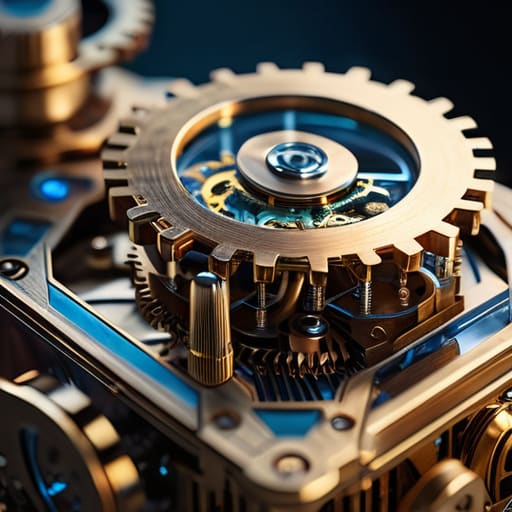
When I sat at my workbench last night, peering through my jeweler’s loupe at the escapement of an old pendulum clock, I was reminded that even the most complex systems rely on tiny, invisible adjustments to keep time. An operating system update is much the same. It isn’t just about a new icon on your desktop or a slightly faster loading screen; it is about the quiet recalibration of the kernel, the tightening of security bolts in the firmware, and the sweeping away of digital dust that accumulates in the background. We often focus on the shiny interface, but the true work happens in the dark, where the unseen architecture is being reinforced to ensure that when you aren’t looking, the machine is still doing exactly what it was built to do.
I know it can feel overwhelming to see that little progress bar crawling across the screen, but I encourage you to look past the inconvenience. Every update is an invitation to understand the evolution of the tools we rely on. We shouldn’t just be passive users of these devices; we should be curious observers of their mechanics. Even if you never pick up a screwdriver to open your laptop yourself, knowing that there is a constant, rhythmic effort to keep the gears turning makes the technology feel a little less like magic and a lot more like reliable engineering.
Frequently Asked Questions
If these updates are mostly fixing things in the background, why does my laptop suddenly feel like it's running through molasses for a few days after I hit install?
It’s the digital equivalent of a deep cleaning. When I overhaul a vintage mantel clock, I don’t just oil the gears; I have to re-seat every tiny spring and pivot to ensure they sit exactly where they belong. Your laptop is doing the same. It’s re-indexing files, reorganizing its internal filing cabinets, and verifying that every new security patch sits flush against the old code. It’s heavy, messy work, but it’s necessary for the long run.
I've heard people talk about "driver updates" being part of these big OS shifts—is that just a fancy way of saying the software is learning how to talk to my hardware again?
That is a lovely way to put it, though I’d say it’s less about “learning” and more about refining the translation. When I opened up my old grandfather clock last week, I saw how the escapement regulates the energy; a driver is much like that. It’s the specific set of instructions that tells the OS exactly how much voltage to send to a component or how to interpret a signal. Without them, the software is just shouting into a void.
If I stop updating my system to avoid these invisible changes, am I actually making my computer safer by keeping it "frozen," or am I just leaving the back door unlocked?
It’s a bit like trying to keep a house safe by refusing to change the locks because you don’t like the new shape of the key. If you “freeze” your system, you aren’t stopping the thieves; you’re just making sure the entry points stay exactly where the burglars already mapped them out. An unpatched system is just a machine with its casing left wide open, waiting for someone to notice the loose screw.



