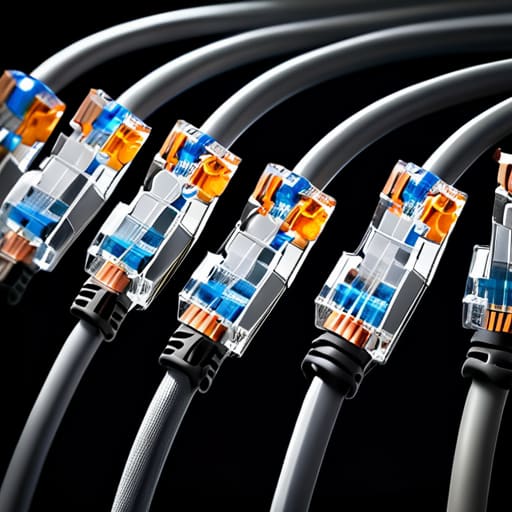

I spent thirty-four years watching teenagers try to convince me that a shiny new textbook was better simply because the cover was glossier, and I see that same nonsense happening in the electronics aisle. People will try to sell you a gold-plated, braided masterpiece of a cord, claiming it’s the secret to high-speed gaming, but if you don’t know how to choose a network cable based on the actual copper density and the twist rate of the internal pairs, you’re just buying expensive plastic. I once spent an entire weekend stripping back a “premium” Cat6 cable only to find the shielding was so thin it practically vanished under a magnifying glass; it was a hollow shell, a lie wrapped in colorful nylon.
I’m not here to recite a marketing brochure or throw a bunch of acronyms at you like I’m grading a physics midterm. My goal is to show you what is actually happening inside that jacket when the electricity starts moving. I will teach you how to look past the packaging and identify the physical integrity of the wire, ensuring you buy something that actually carries its load when you aren’t even looking at it.
Cat6 vs Cat6a Performance Under Pressure
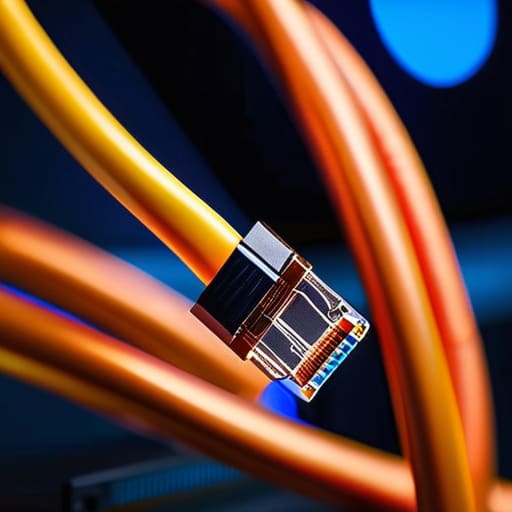
When I opened up the casing on my old router last summer, I was looking for the physical traces, but what I really wanted to understand was why the signal sometimes felt like it was wading through molasses. That’s where the debate of Cat6 vs Cat6a performance actually becomes tangible. If you strip back the jacket of a standard Cat6, you’ll see the four pairs of twisted copper, but it’s a bit of a lightweight. It works fine for a short run, but once you push it toward its maximum ethernet cable distance, the signal starts to bleed. It’s like a teacher trying to shout over a noisy cafeteria; eventually, the message just gets lost in the static.
The ‘a’ in Cat6a stands for augmented, and when you hold the two cables side-by-side, the difference is in the heft. Cat6a is thicker, often utilizing unshielded twisted pair vs shielded construction to keep that crosstalk from ruining your day. It’s designed to handle higher frequencies without breaking a sweat. If your house is full of electrical interference—think of those heavy-duty appliances in the kitchen—you need that extra armor to ensure the data arrives intact even when you aren’t there to supervise it.
Understanding Ethernet Cable Speed Ratings
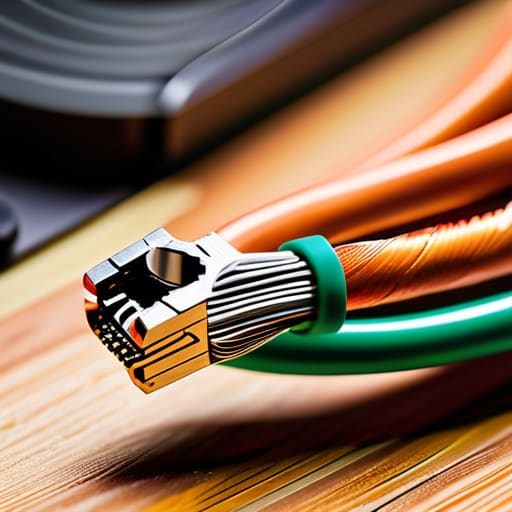
When I sat at my workbench last Tuesday, I had a spool of old Cat5e in front of me, and it struck me how much we rely on these little copper veins without ever questioning their capacity. Most people see a plastic jacket and assume it’s just a pipe for data, but once you strip that casing away, you realize you’re looking at a highly engineered set of ethernet cable speed ratings. These ratings aren’t just marketing fluff; they represent the physical ability of those tiny twisted pairs to carry a signal before the electrical noise becomes too much to handle.
It’s a bit like the escapement in one of my clocks—if the mechanism isn’t rated for the tension, it simply fails to keep time. In networking, if your network cable bandwidth requirements exceed what the internal twists can manage, you don’t just get a slow connection; you get a chaotic mess of interference. I’ve found that people often mistake raw speed for reliability, but if you don’t match the rating to the actual distance and frequency your hardware demands, you’re essentially building a bridge that’s too flimsy to support the cars driving over it.
Five Things to Check Before You Coil the Cable
- Feel the jacket. If it feels thin and flimsy, like cheap plastic wrap, it’s likely using a lower grade of copper or even copper-clad aluminum. I’ve seen enough stripped wires to know that if the insulation doesn’t have some heft to it, it’s going to struggle with signal attenuation the moment you run it through a wall.
- Look for the shielding, or the lack thereof. When I opened up my old router, I saw how much noise is flying around in there. If you’re running a cable near power lines or heavy appliances, you need an STP (Shielded Twisted Pair) cable. Without that metal foil wrap inside, the electromagnetic interference will turn your high-speed data into a stuttering mess.
- Don’t ignore the bend radius. A cable isn’t just a wire; it’s a delicate geometry of twisted pairs designed to cancel out interference. If you force a stiff, high-category cable into a tight corner behind a desk, you’re physically deforming those twists. Once the geometry is ruined, the physics of the signal transfer is ruined too.
- Check the connector housing. I’ve spent many Sunday mornings with a magnifying glass looking at poorly crimped RJ45 plugs. A good cable should have connectors that feel solid and integrated, not like something that was slapped on as an afterthought. If the gold-plated contacts look uneven or loose, the connection will drop the second the house settles.
- Verify the “Pure Copper” claim. Many cheap cables on the market use CCA—Copper Clad Aluminum. It’s a fraud disguised as a bargain. Aluminum has much higher resistance than copper, meaning it generates more heat and loses signal strength much faster. If the packaging doesn’t explicitly say “100% Bare Copper,” I treat it with extreme suspicion.
The Anatomy of a Reliable Connection
Don’t let the colorful plastic jackets fool you; if the copper inside isn’t pure and the twists aren’t tight, that cable is just a glorified paperweight the moment you start pushing real data through it.
Always check the shielding—if you’re running cables near power lines or heavy machinery, you need that metal foil barrier to prevent electromagnetic noise from choking your signal when you aren’t there to monitor it.
Buy for the ceiling, not the floor; it is much easier to install a cable that can handle future speeds now than it is to tear your walls open again in three years when your hardware catches up to your infrastructure.
The Integrity of the Invisible
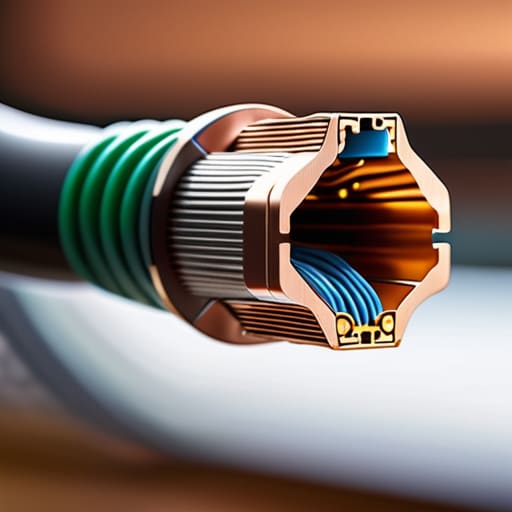
At the end of the day, choosing a cable isn’t about chasing the highest number on a box; it’s about matching the physical reality of the copper to the actual demands of your room. I’ve spent enough time looking at stripped shielding and twisted pairs to know that a Cat6 cable is perfectly adequate for a standard home setup, but if you’re running lines through walls or near heavy electrical interference, that extra layer of protection in a Cat6a becomes your only real insurance policy. Don’t let a salesperson talk you into overkill you don’t need, but more importantly, never compromise on the gauge and shielding just to save a few cents. If the physical construction is flimsy, the data will eventually choke, no matter what the label says.
When I sit at my workbench with a clock, I am looking for the moment where the mechanical energy translates into perfect, silent motion. Your network operates much the same way. A good cable is a piece of engineering that performs its duty so flawlessly that you forget it even exists. My goal is always to build a system that works even when I’m not there to troubleshoot it. When you select a cable based on its structural integrity rather than just its marketing, you aren’t just buying a wire; you are securing the invisible foundation of your digital life.
Frequently Asked Questions
If I buy a high-end Cat6a cable but my router is old, am I just wasting money on copper I can't actually use?
Think of it like putting high-octane racing fuel into a rusted-out tractor. I’ve spent enough time with old clockwork to know that the weakest gear dictates the whole rhythm. If your router is an old model, it lacks the internal circuitry to process the higher frequencies that Cat6a is built to carry. You aren’t “wasting” copper—the physical integrity is still there—but you’re paying for a highway that your car simply isn’t fast enough to drive on.
Does the thickness of the outer jacket actually mean anything, or is it just marketing fluff to make the cable feel more expensive?
It isn’t just marketing fluff, though I certainly wish it were. When I opened up my last batch of substandard cables, the “thick” jackets were often just hollow shells hiding thin, flimsy copper. A substantial jacket usually means better shielding and thicker gauge wire inside. If the jacket feels flimsy, the internal twists are likely loose, meaning your data will struggle to stay organized when the electrical noise starts kicking up.
Why does my connection drop out whenever I run the Ethernet cable right next to the power strip for my lamp?
It’s electromagnetic interference, plain and simple. When I opened up my old router last year, I saw how tightly those tiny copper pairs are twisted to cancel out noise, but they aren’t magic. Your lamp’s power strip is leaking a messy magnetic field every time it draws current. That field dances right into your data lines, scrambling the signal. If you don’t give that cable its own lane, the noise wins.



