
I spent thirty-four years in a classroom watching students try to focus on a chalkboard while a cheap, grainy camera projected a blurry mess onto the wall behind me. It was a lesson in frustration, not physics. Most people approach buying new hardware by staring at a list of marketing buzzwords, convinced that a higher megapixel count is the magic wand that fixes everything. But if you want to learn how to choose a webcam that actually works, you have to stop looking at the glossy sales pitch and start looking at the light. A high-resolution sensor is utterly useless if the glass lens in front of it is cheap plastic that can’t handle a bit of shadow.
I’m not here to sell you on the latest overpriced gadget or some “professional grade” nonsense that requires a studio setup to function. My goal is to show you what is actually happening inside that little plastic housing once the power is on. I will guide you through the mechanical reality of sensors and apertures so you can find a tool that performs reliably when you aren’t even looking at it. We are going to strip away the hype and focus on what actually matters for your desk.
Decoding the Lens Webcam Field of View and Low Light Performance
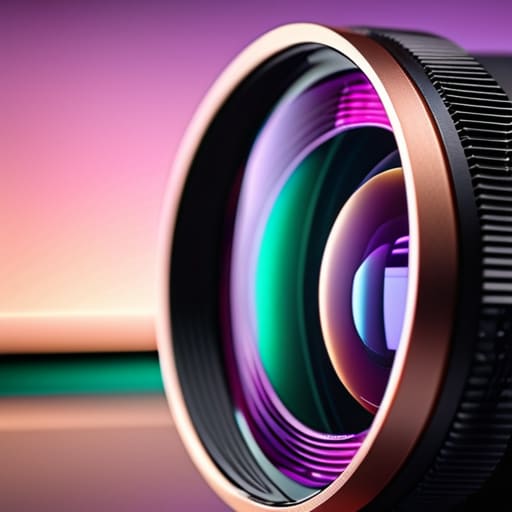
When I unscrewed the casing on my old desktop camera last Tuesday, I wasn’t looking at the sensor; I was looking at the glass. The lens is the heart of the matter. Most people get caught up in megapixels, but if the glass is cheap, those pixels are just capturing digital noise. You have to consider the webcam field of view carefully. If you have a tiny desk, a wide angle is a curse—it turns your bedroom into a panoramic tour of your laundry pile. But if you’re presenting a whiteboard, a narrow lens will leave your colleagues staring at your forehead while your diagrams disappear off-screen.
Then there is the struggle of the dim room. I’ve spent many evenings under a single desk lamp, and I’ve learned that low light webcam performance is rarely about the software settings you see on the screen. It’s about the physical size of the aperture. A larger opening allows more photons to hit the sensor, which is the only way to prevent that grainy, “dancing sand” effect in your video. If the sensor is too small, no amount of brightness adjustment will save you from a muddy, grey image.
The Rhythm of Motion Why Webcam Frame Rate Fps Matters

When I opened up my old digital camera last summer, I wasn’t looking at the sensor; I was looking at the shutter mechanism and the way the processor timed each capture. It’s a mechanical dance, really. In the world of webcams, that dance is what we call the webcam frame rate fps. If the timing is off, or if the “steps” in the dance are too far apart, you don’t get a fluid image; you get a series of stuttering snapshots that make your hands look like they are vibrating.
Most people settle for the standard 30 frames per second, which is perfectly fine for a static lecture. But if you are someone who gestures wildly while explaining a concept—much like I used to do at the chalkboard—you might notice a slight lag. When I disassembled a high-end model recently, I saw how the increased processing power allows for 60 fps, creating a much more seamless stream of data. It’s not just about the numbers on the box; it’s about the smoothness of the motion when you’re actually in the middle of a conversation.
The Small Parts That Make the Big Picture
- Ignore the “Megapixel” marketing fluff on the box; once I opened up a few of these, I realized it’s the size of the actual sensor chip inside that determines if your image looks like a crisp photograph or a grainy mess of colored dots.
- Check for a physical privacy shutter, and I don’t mean a little piece of tape; I mean a mechanical slider that physically blocks the lens, because if there isn’t a piece of plastic between the light and the sensor, you haven’t truly secured your privacy.
- Look for a built-in microphone that isn’t just a tiny hole in the plastic casing; if the diaphragm inside is too small, it won’t matter how good your video is if you sound like you’re broadcasting from the bottom of a well.
- Don’t buy a webcam that relies solely on software to “fix” your lighting; you want a device with decent manual controls so you can adjust the exposure yourself, rather than letting a buggy algorithm decide how bright your forehead should be.
- Make sure the mounting clip is actually versatile; I’ve found that many of these are designed for thin laptop screens, but they struggle to grip the heavy, thick edges of a real monitor, making the whole thing wobble every time you type.
The Anatomy of a Good Image
Don’t let the megapixel count fool you; a high resolution won’t save you if the sensor is too small to catch enough light to actually see your face.
Look past the frame rate numbers and ensure the lens can actually track your movement without turning your video into a smear of digital noise.
A webcam is only as good as its ability to work when you aren’t fussing with it, so prioritize a wide enough field of view to capture your space without needing to sit like a statue.
Beyond the Spec Sheet
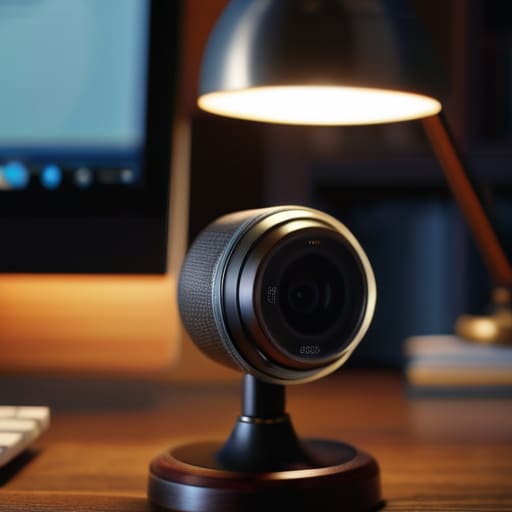
At the end of the day, picking a webcam isn’t about finding the device with the longest list of buzzwords; it’s about understanding how those tiny components interact with your actual environment. You need to know if that lens can actually pull enough light from a dim corner of your study, and whether the frame rate is steady enough to prevent your movements from turning into a jittery mess of pixels. I’ve spent enough time with a screwdriver in hand to know that the real performance happens in the gaps between the numbers. Don’t let a marketing department convince you that a higher resolution compensates for a poor sensor. If the hardware can’t handle the physical reality of your room, no amount of software magic will save the image.
I often find myself sitting at my workbench, watching the rhythmic dance of brass gears in a clock, reminded that even the most complex systems are just a series of simple, reliable movements working in concert. Your webcam is no different. It is a small, mechanical eye designed to translate light into data, and once you look past the glossy packaging, you’ll see it for what it truly is. Stop looking for the “perfect” gadget and start looking for the one that works predictably when you aren’t watching it. Once you understand the mechanism, you stop being a consumer and start being a master of your own tools.
Frequently Asked Questions
If I'm using a cheap USB hub to connect everything, is that going to mess with the data flow from the camera?
I actually did this last week with an old digital camera and a cheap plastic hub. Here is the reality: a USB hub is essentially a narrow hallway. Your webcam is trying to push a massive, constant stream of data through it, while your mouse and keyboard are nipping at its heels. If that hub doesn’t have its own power supply, it’s like trying to force a firehose through a straw; the data will stutter, and your video will freeze.
Does a higher resolution actually mean a better picture, or is it just more digital noise if the sensor is tiny?
It’s a common trap. I once opened a cheap 4K webcam and found a sensor no larger than a grain of rice. When you cram millions of pixels onto a surface that small, each pixel becomes a tiny, struggling bucket for light. You get a high resolution on paper, but in practice, you just get a grainy, dancing mess of digital noise. Don’t chase the megapixel count; chase the sensor size.
How much does the actual mounting clip matter if I'm trying to balance it on a monitor that isn't perfectly flat?
It matters more than the marketing brochures suggest. When I opened up my old desk lamp last week, I saw how a simple tension spring keeps everything stable; webcams are no different. If your monitor has a slight curve or a thick bezel, a cheap, rigid plastic clip will constantly tip or slide. You want something with a wide, rubberized “mouth” and a bit of spring-loaded give. It needs to grip the geometry, not just sit on top of it.



