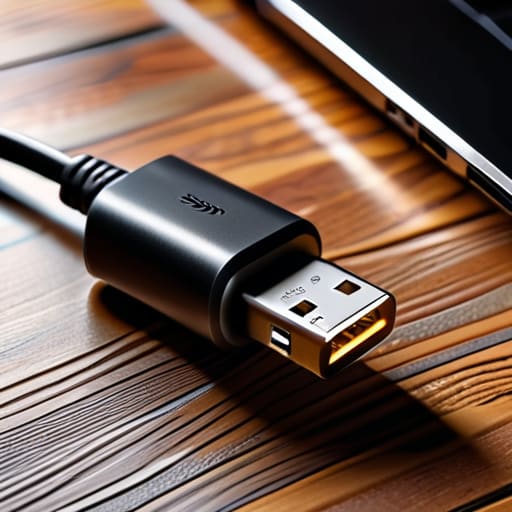

I spent forty years watching teenagers stare blankly at physics equations, but nothing quite compares to the blank stare of a person holding a cheap, generic power brick. Most people think that knowing how to choose a charger is just about matching the plug to the hole, but that’s a dangerous simplification. I once opened up a “bargain” adapter that had been causing my neighbor’s tablet to behave erratically, and what I found inside was a disgrace to electrical engineering—a chaotic mess of poorly soldered traces and a capacitor that looked like it was praying for a quick death. If you aren’t looking at the internal stability of the voltage regulation, you aren’t buying a tool; you’re buying a tiny, plastic fire hazard.
I’m not here to sell you on “ultra-fast” marketing jargon or proprietary cables that cost more than a decent lunch. My goal is to strip away the branding and look at the actual physics of power delivery. I promise to show you how to read the fine print on those tiny labels and understand the relationship between amperage and heat, so you can pick a charger that actually does its job when you aren’t even looking at it.
Decoding Voltage and Amperage Explained for Invisible Stability

I remember sitting at my workbench last Tuesday, peering through my loupe at the tiny copper traces of a discarded power brick. People treat these little plastic cubes like magic wands, but once you crack the casing, you see the real struggle: it’s all about managing the pressure and the flow. Think of voltage and amperage explained through the lens of a garden hose. Voltage is the water pressure pushing through the line, while amperage is the actual volume of water moving. If the pressure is too high for your device’s delicate internal components, you aren’t just charging; you’re inviting a miniature explosion.
The real trick is understanding how these two dance together to maintain battery health and charging safety. When I opened up a modern high-speed block, I saw the complex handshake happening between the charger and the phone. It isn’t just a mindless dump of electricity. Through various power delivery standards, the device actually “talks” to the brick, negotiating exactly how much pressure it can handle before things get too hot. If you don’t respect that negotiation, you’re just gambling with your hardware.
Usb C vs Lightning Compatibility the Connection That Never Fails
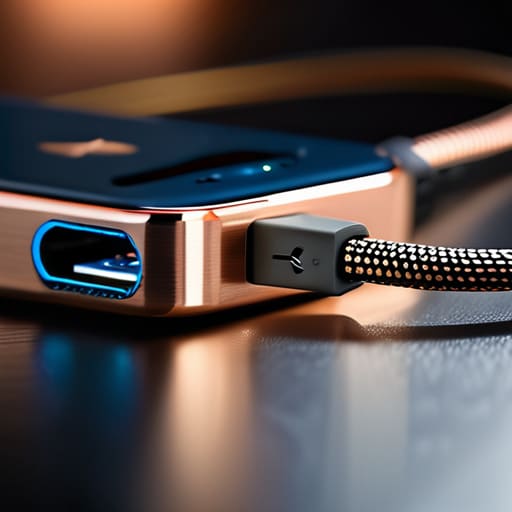
I remember when a plug was just a plug—a heavy, two-pronged piece of brass and plastic that either fit or it didn’t. Now, we’re caught in this tug-of-war between the ubiquitous USB-C and Apple’s proprietary Lightning connector. When I opened up an old charging brick last week, I was reminded that the physical shape is the least interesting part of the equation. The real magic—and the real headache—lies in the handshake.
When you plug a cable in, the device and the brick engage in a rapid-fire conversation to negotiate power delivery standards. If you are navigating the mess of USB-C vs Lightning compatibility, you aren’t just choosing a shape; you are choosing how much data and energy can pass through that tiny gate. A Lightning cable might feel sturdy, but it’s a closed ecosystem. USB-C, on the other hand, is a wide-open highway that can handle much higher loads, provided the internal chips agree on the terms. If they don’t speak the same language, you’ll find yourself stuck with a trickle charge that takes all night to do what should take thirty minutes.
The Five Things I Look For Before I Trust a Wall Socket
- Don’t trust the “Fast Charging” sticker on the box; look at the actual output specs printed in that microscopic, headache-inducing font on the brick itself. If it doesn’t list the specific voltage and amperage ranges, it’s just a plastic box making promises it can’t keep.
- Check the heat dissipation. I opened up a cheap knock-off last week and the traces were so thin they looked like hair; a good charger needs enough internal mass and decent thermal management so it isn’t trying to cook your nightstand while you sleep.
- Look for the certification marks—UL, CE, or ETL—not because I care about the bureaucracy, but because those marks mean someone actually bothered to test if the transformer won’t turn into a fire hazard when the load shifts.
- Match the cable to the brick, not just the plug. I’ve seen beautiful, high-wattage chargers rendered useless by a thin, flimsy cable that has the internal resistance of a wet noodle, causing all that energy to just turn into wasted heat before it even reaches your phone.
- Consider the “phantom draw.” A quality charger should be efficient enough that when it’s plugged in but not connected to anything, it isn’t sipping electricity like a thirsty guest; if it’s running warm while doing nothing, the internal components are poorly regulated.
The Physics of a Reliable Charge
Stop looking at the brand name and start reading the fine print on the brick; if the voltage doesn’t match your device’s requirements exactly, you aren’t charging, you’re just stressing the internal components.
Amperage is your speed limit, so ensure your charger can actually push enough current to meet your device’s appetite, otherwise you’ll be tethered to a wall for hours waiting for a trickle that never quite arrives.
A good charger is defined by its stability when it’s tucked away in a drawer or a bag; if the connection is finicky or the heat buildup is inconsistent, the internal regulation is poor, and it’s not worth the risk to your battery.
Beyond the Plastic Shell

At the end of the day, choosing a charger isn’t about finding the one that looks the sleekest on your nightstand; it’s about understanding the invisible handshake happening inside that little plastic brick. We’ve looked at how the voltage must match your device’s appetite and how the amperage determines whether you’re getting a full meal or just a few crumbs of energy. Whether you are navigating the specific requirements of USB-C or the proprietary quirks of Lightning, remember that compatibility is a matter of physics, not just a shape that fits into a hole. If you don’t respect the math behind the wattage, you aren’t just buying a convenience; you are risking the very battery that keeps your life connected.
I spent my career teaching students that you can’t truly master a system until you understand its smallest moving parts. The same applies to the gadgets we carry in our pockets every day. Don’t let the marketing jargon intimidate you into buying something substandard. Once you learn to look past the shiny casing and ask what is actually happening when the current starts to flow, you stop being a mere consumer and start being a competent steward of your own technology. After all, the best tools are the ones that work exactly as they should, even when you aren’t there to watch them.
Frequently Asked Questions
If I use a high-wattage MacBook brick to charge my little smartphone, is there a risk of frying the battery or "overpowering" it?
I’ve spent enough afternoons with a multimeter to tell you: your phone is smarter than you think. When I cracked open an old smartphone, I saw the logic gates designed specifically to negotiate power. That massive MacBook brick isn’t “shoving” electricity into your phone; it’s essentially a reservoir waiting to be tapped. The phone’s internal charging controller acts like a gatekeeper, only pulling exactly what it can handle. It’s perfectly safe.
Why does my phone seem to charge at lightning speed for the first ten minutes and then suddenly slow down to a crawl?
It’s not your charger failing; it’s physics doing its job. When I opened up my old laptop, I saw the thermal management components—they’re there to stop the battery from cooking itself. Your phone does the same. It pulls a massive current while the battery is “empty” and cool, but as those lithium ions pack in, heat builds up. To prevent a meltdown, the charging controller throttles the speed. It’s a safety brake, not a broken wire.
Can a cheap, unbranded cable from a gas station actually cause more damage than the actual plastic brick plugged into the wall?
I actually had one of those gas station cables on my workbench last Tuesday. Once I stripped the casing, the problem became obvious: the copper strands were thinner than a human hair. When you push current through wire that’s too thin, it creates resistance, and resistance creates heat. That cheap cable isn’t just a bad connection; it’s a tiny, unregulated heating element. It can cook your battery’s charging circuit long before the wall brick even realizes something is wrong.