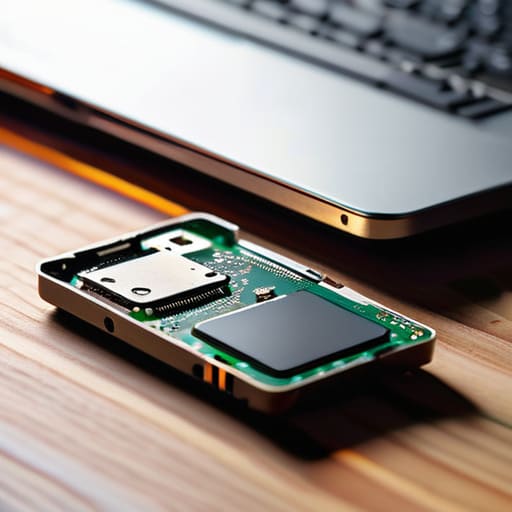

Last Tuesday, I found myself staring at a tangled nest of copper wiring and cracked lithium-ion casings in my workshop, wondering why the “official” guides make everything so needlessly complicated. Most people think that figuring out how to recycle electronics requires a degree in environmental engineering or a trip to some mysterious, far-off facility that charges you a fee just to take your junk. They talk about “sustainable ecosystems” and “circular economies,” but they never actually tell you what happens to the circuit board once it leaves your kitchen table. It’s all vague corporate jargon that leaves you standing there with a dead tablet, unsure if you’re helping the planet or just adding to a landfill.
I’m not interested in the marketing fluff; I want to know where the gold goes and where the poison stays. In this post, I’m going to strip away the mystery and show you the actual mechanics of the process. I’ll guide you through the practical, no-nonsense steps of sorting your components so you can stop feeling guilty and start being precise with your waste. We aren’t just throwing things away; we are managing a collection of tiny, complex machines.
The Invisible Toll E Waste Environmental Impact Unveiled

When I open up an old cathode-ray tube television or a discarded laptop, I’m not just looking at circuits; I’m looking at a chemical cocktail. Most people see a sleek gadget, but once you strip away the plastic casing, you find the hazardous materials in tech that stay active long after the power is cut. I’ve seen leaded glass and mercury-containing backlights that don’t just “go away.” If these components end up in a standard landfill, they don’t sit quietly; they leach into the groundwater, creating a slow-motion chemical spill that persists even when no one is watching.
The true e-waste environmental impact isn’t just about the mess; it’s about the energy we wasted to mine those rare earth metals in the first place. When we toss a device into a bin instead of seeking out certified electronics recyclers, we are essentially burying a tiny, concentrated mine of copper, gold, and silver. It feels wasteful because it is. We are discarding the very building blocks of our modern world simply because we haven’t bothered to learn how to disassemble the cycle.
Hunting for Certified Electronics Recyclers in the Dark
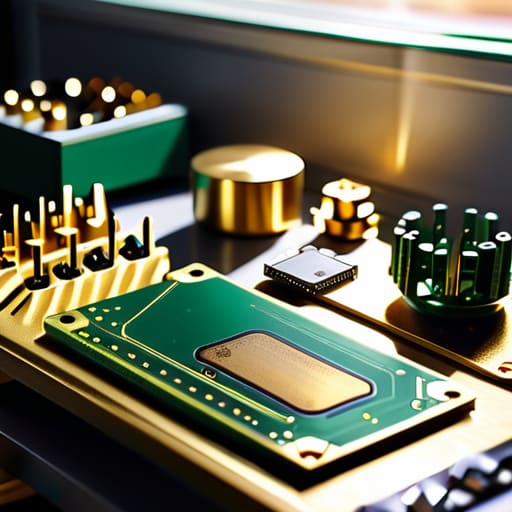
Finding a place to dump your old gear is easy; finding someone who actually knows what’s inside the casing is the hard part. I’ve spent enough afternoons with a jeweler’s screwdriver to know that not every scrap yard understands the delicate dance of separating gold plating from toxic lead solder. When I’m looking for certified electronics recyclers, I don’t just look for a bin; I look for a paper trail. I want to see proof of WEEE directive compliance, which tells me they aren’t just tossing your motherboard into a landfill where the heavy metals can leach into the groundwater.
It’s also about what happens to the “ghosts” left in the machine. You might think a wiped hard drive is empty, but if they aren’t using proper secure data destruction methods, your old tax returns are just sitting there in a pile of silicon waiting to be found. If you are wondering where to drop off old computers, look for facilities that treat your data with as much respect as they treat the copper wiring. If they can’t explain how they sanitize a drive, I’m not handing them my hard work.
Five Rules for Not Turning Your Junk Drawer Into a Toxic Time Bomb
- Scrub your digital ghost before you let go. I’ve spent enough time with a screwdriver to know that a device is more than just its copper traces and capacitors; it’s a vessel for your life. Perform a factory reset and, if you’re tech-savvy enough, physically remove any SD cards or SIM cards. A device without its data is just a collection of inert parts, which is exactly what we want.
- Hunt for the “e-Stewards” or “R2” labels. When I’m looking at a circuit board, I look for the logic of the design; when you’re looking for a recycler, look for the logic of their certification. These aren’t just fancy stickers; they are guarantees that your old tablet won’t be shipped off to a backyard smelter halfway across the world where the lead and mercury are handled by bare hands.
- Extract the batteries yourself if you can. If you have a device with a removable lithium-ion pack—like those old digital cameras I still tinker with—take it out. Batteries are the most volatile part of the equation. Taping the terminals of a loose battery prevents a short circuit, which is the last thing you want happening in a recycling bin.
- Don’t forget the “small stuff” in the cracks. We often think of recycling in terms of big monitors or bulky desktop towers, but the cables, the old mice, and those tangled nests of chargers are where the heavy metals hide in plain sight. They belong in the same specialized streams as the main hardware, not in your household bin.
- Treat your old tech like a library, not a landfill. Before you commit to the recycler, ask if any component can be salvaged for parts. If you have a broken radio and a working one, sometimes the capacitors or the potentiometers are still perfectly functional. If you can’t fix it, then—and only then—should you let it go to someone who can strip it down properly.
What to Carry in Your Mental Toolkit
Stop treating your old gadgets like trash; think of them as small, concentrated mines of copper, gold, and rare earth metals that belong back in the supply chain, not in a landfill.
Never trust a recycler who can’t show you their credentials; if they can’t explain exactly how they strip the components without letting the heavy metals leak into the groundwater, they aren’t actually recycling.
Before you hand anything over, do the “mechanical audit”—wipe your data and physically remove any batteries you can, because once that casing is cracked open in a shredder, your privacy is as gone as the device itself.
The Final Component

When I look at a pile of old circuit boards, I don’t just see junk; I see a complex dance of copper, gold, and rare earth elements that we’ve spent decades pulling out of the ground. We’ve discussed how the heavy metals can seep into the soil if we’re careless, and we’ve hunted down those certified recyclers who actually know how to disassemble the components without making a mess of the environment. It really comes down to this: recycling isn’t just a chore, it is the act of closing the loop on the physical materials that make our modern lives possible. If we don’t take the time to manage the end of a device’s life, we are essentially ignoring the very physics that made the device work in the first place.
I spent my career teaching students that every action has an equal and opposite reaction. The same logic applies to our gadgets. Every time we choose a proper recycling center over a trash bin, we are choosing a future where our resources stay in motion rather than becoming stagnant poison in a landfill. Don’t let your old tech become a ghost that haunts the ecosystem; instead, treat it with the same respectful precision I give to a vintage clockwork mechanism. Once you understand how these materials move through the world, you realize that recycling is simply good stewardship of the universe’s finite building blocks.
Frequently Asked Questions
If I take the batteries out of my old remote or laptop myself, does that make it safer for the recycler to handle?
It certainly helps, but don’t stop there. I’ve spent enough time with a screwdriver in hand to know that a loose battery is a fire hazard waiting for a moment of friction. If you pull them out, tape the terminals with a bit of electrical tape first. It prevents a short circuit if they rattle around in the bin. Once they’re isolated, they’re much easier for the recycler to sort safely.
What actually happens to the gold and copper inside my old phone once it leaves the recycling center?
Once the recycler strips the casing, they aren’t just looking at scrap; they’re looking at a miniature mine. I’ve sat with a circuit board under my magnifying lamp, and the gold plating on those connectors is beautiful, even if it’s microscopic. They use chemical baths or high-heat smelting to separate the metals. The copper melts into ingots, and the gold is refined back into pure bullion. It’s a closed loop of atoms, really.
Is it really safe to leave my old hard drives in a bin, or is there a way to make sure my personal data doesn't just resurface somewhere else?
Leaving a hard drive in a bin is like leaving your diary on a park bench; it’s not a matter of if someone finds it, but when. Even if the drive is “broken,” the platters inside often remain intact. I’ve spent enough time with a screwdriver to know that data doesn’t just vanish. You need to physically destroy the magnetic disks or use a degausser to scramble the fields. If I can’t see the damage myself, I don’t trust it.