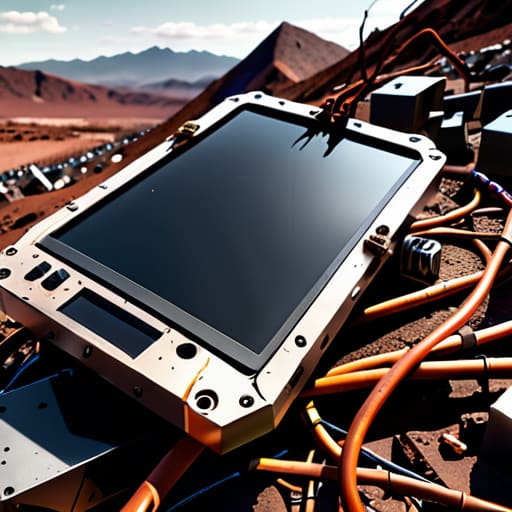

Last Tuesday, I sat at my workbench with a gutted smartphone, the smell of scorched solder and old lithium still clinging to my apron. Most people look at a drawer full of old chargers and cracked tablets and see a clutter problem, but they have no idea what e waste actually involves. They think it’s just “trash with a plug,” a convenient label that lets them ignore the reality of the situation. But when I peel back those sleek, glued-on plastic casings, I don’t see “waste”; I see a chaotic battlefield of etched copper traces, tiny capacitors waiting to leak, and heavy metals that don’t belong in a landfill.
I’m not here to give you a lecture on environmental policy or recite a list of recycling symbols you’ll never use. Instead, I want to show you the guts of the machine. I promise to walk you through the physical reality of these components—the bits that stay behind when the screen goes dark—so you can finally understand the true cost of our digital habits. By the time we’re done, you’ll see these gadgets not as magic boxes, but as a complex, messy collection of materials that deserve better than a junk drawer.
The Silent Decay of Toxic Components in Circuit Boards
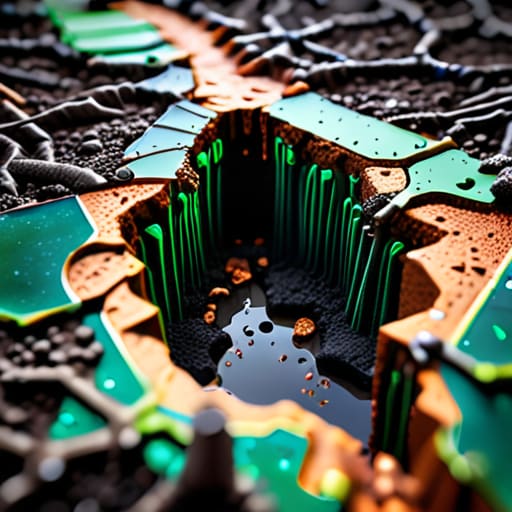
When I cracked open an old motherboard from a discarded laptop last Tuesday, I wasn’t looking for gold; I was looking for the logic. But as I peeled back the green fiberglass layers, I was reminded of why we can’t just toss these things in the bin. Beneath that polished surface lies a chemical cocktail that doesn’t care about your recycling bin. We are talking about toxic components in circuit boards—lead solder that wants to leach into the soil and brominated flame retardants baked right into the resin. When these boards sit in a landfill, they don’t just sit there; they undergo a slow, messy breakdown, releasing heavy metals that eventually find their way into the groundwater.
It’s a bit like a clock mechanism that’s been left in the rain; the oxidation doesn’t just stop the gears, it eats the metal itself. In the world of electronics, this chemical breakdown is the primary driver of the electronic waste environmental impact. If we don’t treat these boards as the complex chemical puzzles they are, we’re essentially leaving a ticking time bomb in our own backyard.
Tracing the Electronic Waste Environmental Impact in Darkness
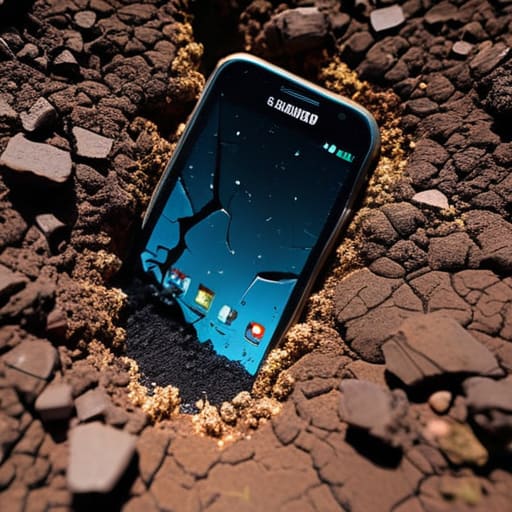
When I sit at my workbench with a dismantled laptop, I don’t just see dead silicon; I see a map of potential catastrophe. Once these devices leave our sight, they enter a shadow economy where the electronic waste environmental impact becomes visceral. Without proper oversight, a discarded smartphone doesn’t just sit there; it begins a slow, chemical surrender. I’ve seen what happens when a casing is cracked—the heavy metals don’t stay contained. They leach into the soil like ink in water, turning a simple piece of discarded plastic into a vessel for long-term environmental contamination.
It’s a strange paradox that we treat these items as disposable when they are actually concentrated veins of wealth. Instead of letting them rot in a landfill, we should be looking at them through the lens of urban mining precious metals. There is gold, silver, and palladium tucked into those tiny traces, waiting to be reclaimed. If we don’t master the art of the circular economy electronics model, we aren’t just throwing away old gadgets; we are effectively burying our most valuable resources in a shallow, toxic grave.
My Rules for Handling the Mechanical Aftermath
- Never toss a device in the bin just because the casing is intact; I’ve seen enough lithium-ion batteries swell like a bruised fruit, and once that shell cracks, the chemistry inside doesn’t care about your recycling bin.
- Keep a small kit of precision screwdrivers handy to separate the “good” from the “bad,” because a device isn’t just one thing—it’s a collection of copper, gold, and plastic that shouldn’t be crushed together.
- Treat old capacitors like tiny, pressurized vessels; even when a machine is unplugged, those little canisters can hold a charge that’ll give you a nasty surprise if you aren’t careful during disassembly.
- Look for the labels on the underside of components, specifically for heavy metals like lead or cadmium, because if you can’t identify the material, you shouldn’t be touching it with bare hands.
- Save the small bits—the screws, the tiny magnets, the braided wires—because while a broken tablet looks like trash, those individual components are the only way to stop the cycle of extracting new raw ore from the earth.
What I’ve Learned Under the Magnifying Glass
E-waste isn’t a vague concept; it is the physical reality of heavy metals like lead and cadmium leaching out of a circuit board once the protective casing is breached.
We cannot treat a discarded device like a single object, because once you strip away the plastic, you are left with a complex, messy cocktail of materials that require very different handling.
True understanding of our environmental footprint requires looking past the sleek, polished screens and seeing the volatile, chemical truth of what lies inside the housing.
The Weight of What We Leave Behind
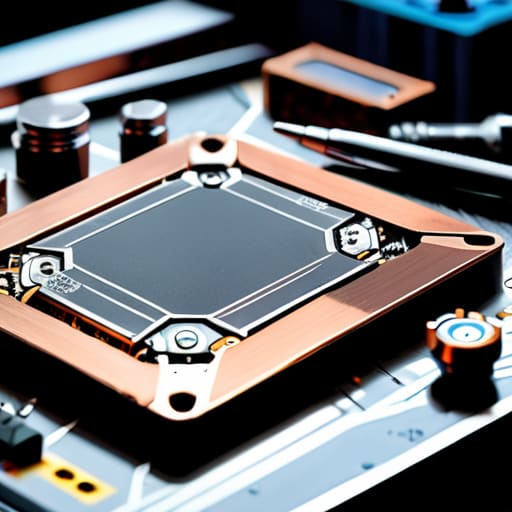
When I sit at my workbench with a screwdriver in hand, I don’t see “waste”; I see a complex, frantic struggle of chemistry and physics. We’ve traced the path from the corrosive leakages of a swollen lithium battery to the heavy metals hiding in the very veins of a circuit board. It isn’t just about a cluttered drawer in your kitchen; it is about the reality that every device we discard is a tiny, concentrated factory of elemental materials that never truly disappears. Once we strip away the sleek plastic casings and the glass screens, we are left with the unavoidable physical legacy of our digital lives—a collection of elements that demand respect, or else they will certainly demand it from our soil and water.
I often think that if we understood our gadgets as well as I understand the escapement of a grandfather clock, we might treat them with more care. We tend to view technology as something ethereal, like magic, but it is actually quite heavy and quite permanent. My hope is that we move toward a world where we stop seeing things as disposable and start seeing them as temporary assemblies of precious resources. If we can learn to value the mechanics inside as much as the interface on the outside, we might finally stop creating such a messy, toxic trail behind us. After all, nothing truly vanishes; it just changes form.
Frequently Asked Questions
Once I've stripped a device down to its bare copper and silicon, where does all that specific scrap actually go?
Once I’ve laid out the guts of a device on my workbench—the tiny capacitors, the slivers of silicon, the braided copper—the journey splits. Most of it heads to specialized smelting facilities. They don’t just “recycle”; they use intense heat and chemical baths to separate the precious metals from the slag. It’s a violent, industrial process to reclaim the gold and palladium, leaving the rest to be sorted, melted, and reborn.
Are there certain household items that look harmless but are actually ticking chemical time bombs once they hit the bin?
I once opened up an old, discarded cordless phone just to see how the spring mechanism held the battery in place. It wasn’t just a phone anymore; it was a pressurized little capsule of lithium and electrolyte. Most people see a remote or a digital thermometer, but I see those alkaline leaks waiting to crust over a circuit board. Those little button cells in your car keys? They’re tiny, concentrated chemical stores just waiting for a crack.
Can we actually recover the precious metals from a motherboard without creating more toxic sludge in the process?
The short answer is: yes, but not with the crude methods most people use. When I opened up my old desktop last week, I saw the gold plating on those pins—it’s beautiful, but it’s a nightmare to extract. If you use acid baths in your backyard, you’re just trading a motherboard for a bucket of poison. Real recovery requires closed-loop hydrometallurgy, where every chemical is captured and reused. It’s the only way to keep the gold without killing the soil.