

I remember sitting at my workbench last Tuesday, the smell of isopropyl alcohol sharp in the air, staring at a second-hand tablet that looked perfectly fine on the surface. It had a clean screen and a polished casing, the kind of thing that makes you want to reach for your wallet immediately. But I’ve spent thirty-four years teaching students that appearances are rarely a reliable indicator of internal mechanics, and I refuse to let a shiny exterior fool me. Most people think you need some expensive, high-tech software suite to verify a purchase, but that’s nonsense. If you don’t know how to check a device is not stolen by looking at the digital fingerprints left behind when the screen is black, you’re just gambling with your hard-earned money.
I’m not here to sell you a subscription or a “magic” scanning app that promises the world. Instead, I’m going to show you exactly what I look for when I strip a piece of tech down to its bare essentials. We are going to look past the glossy advertisements and focus on the unalterable identifiers—the bits of data that stay put even when a thief tries to wipe the slate clean. I promise to give you a practical, no-nonsense way to verify integrity, because if you can’t confirm its history while the power is off, you don’t truly own it.
Performing a Blacklist Check Mobile Phone Integrity
To understand if a phone is truly “clean,” you have to look past the polished glass and the snappy interface. I’ve learned through years of tinkering that the most important data isn’t what’s displayed on the screen, but what’s buried in the hardware’s digital fingerprint. Before you hand over any cash, you must perform a blacklist check mobile phone integrity test using the IMEI number. This long string of digits is like a serial number on a vintage clock; it’s the device’s permanent identity. I always use an IMEI status lookup tool to see if that number has been flagged in any global databases. If the number comes back as “blacklisted,” it means the device has been reported as lost or stolen, making it little more than an expensive paperweight that won’t connect to a network.
However, a clean IMEI isn’t the end of the story. You also need to verify device ownership by checking for any lingering security locks. I always look for signs of a factory reset protection bypass check; if someone has tampered with the software to skip the original owner’s Google or iCloud account, they are likely hiding the device’s true history. If the settings menu feels “off” or if you can’t sign in with your own credentials after a reset, walk away.
Using an Imei Status Lookup Tool for Truth
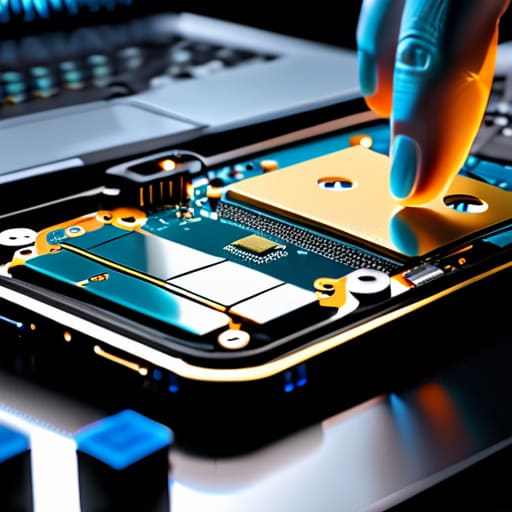
Once I have the casing open and the internals inspected, I always look for the digital fingerprint that can’t be scrubbed away with a screwdriver: the IMEI. It is the unique identifier etched into the silicon and the software, much like the serial number on a vintage escapement wheel. To truly verify device ownership, you cannot rely on what the seller tells you or what the screen displays. You need to take that 15-digit string and run it through an IMEI status lookup tool. These databases act like a registry for the digital world; if a device has been flagged, the registry will scream it long before the thief has a chance to wipe the memory.
I find that people often forget that a device can be “clean” on the surface but still be a ghost in the system. Using a reliable service to check if phone is reported lost is the only way to see behind the curtain. If the lookup returns a “blacklisted” status, it means the network has already been told this device is no longer authorized to exist in the public sphere. It doesn’t matter how shiny the glass is; if the IMEI is flagged, the device is nothing more than an expensive paperweight waiting to happen.
Five Ways to Listen to What the Hardware is Telling You
- Look for the “Ghost in the Machine” by checking for Activation Locks; if an iPhone or Android device is tethered to a previous owner’s cloud account, it’s essentially a very expensive paperweight that will refuse to function the moment you try to make it yours.
- Inspect the physical seams and the tension of the casing; a device that has been pried open to swap a motherboard or bypass security protocols will never sit flush, and a seam that isn’t perfectly uniform is a sign that someone has been tinkering with the internal logic.
- Test the cellular handshake by inserting your own SIM card immediately; if the device refuses to register on a network despite having a clear IMEI, it means the carrier has already flagged the hardware’s identity as “off-limits” in their central registry.
- Verify the battery’s behavior under a small load; stolen devices that have been refurbished with cheap, third-party components often show erratic voltage drops or sudden shutdowns because the power management IC wasn’t designed for that specific internal architecture.
- Demand the original receipt or a digital transaction history; if the seller cannot provide a paper trail that matches the device’s serial number, you aren’t looking at a legitimate second-hand sale, you’re looking at a device that is currently “missing” from someone else’s life.
What the Components Won't Tell You
A device can look perfectly functional on the surface, but if the IMEI isn’t registered in the global blacklist, you aren’t holding a tool; you’re holding a paperweight that will lose its connection to the world the moment it tries to talk to a tower.
Never trust a screen that is powered on to tell you its own history, because software can be manipulated, but the hard-coded identity of the hardware—the IMEI—is the only fingerprint that stays honest when the power is cut.
Checking a serial number is just a formality; true verification happens when you cross-reference the digital identity with the physical reality of the device’s network permissions before you’ve even committed to the purchase.
The Weight of a Clean Slate
At the end of the day, verifying a device isn’t about being paranoid; it’s about understanding the provenance of the machine in your hands. We’ve looked at how the IMEI serves as a digital fingerprint that survives even when the casing is swapped, and we’ve seen how blacklists act as the silent sentinels of the cellular network. If you haven’t checked the status against a reputable database, you are essentially holding a beautiful, polished mystery box. You cannot truly own a piece of technology until you have confirmed that its digital history is as clear as its physical screen.
I spent decades teaching students that physics doesn’t care about your intentions—it only cares about the laws of the universe. Technology is no different. A stolen device carries a ghost in its code, a lingering signal of a previous owner’s loss that no amount of factory resetting can truly erase. When you take the time to do the due diligence, you aren’t just buying a gadget; you are ensuring that your peace of mind isn’t built on a faulty foundation. Always remember: if you haven’t verified the truth behind the glass, you don’t quite own the device yet.
Frequently Asked Questions
If the IMEI comes back clean, is there any way a thief could have masked the device's true identity before I bought it?
A clean IMEI isn’t a guarantee; it’s just one layer of the casing. I’ve seen clever tricks where a thief swaps the logic board or uses software to spoof the identification numbers. It’s like putting a new face on a clock while the internal gears are still stolen. If they’ve flashed a custom firmware to mask the identity, the database sees a ghost. Always check the physical serial number on the chassis against what the software claims.
Can a device be reported as stolen even if it isn't on a central blacklist yet?
The short answer is yes, and that’s where the real danger lies. A blacklist is just a digital list of names, and lists take time to update. If someone swipes a phone and immediately pulls the battery—or if the carrier is slow to process the report—that device is a ghost. It’s functioning perfectly, sitting in your hand, while technically being “stolen.” Until that serial number hits the central database, the machine doesn’t know it’s a thief.
Once I've checked the numbers, what physical signs should I look for in the casing to tell if the internals have been tampered with?
Numbers only tell half the story; the real truth is in the friction. I always look for “seam fatigue.” If the casing doesn’t sit flush or if the tiny gaps between the glass and the frame look uneven, someone has pried it open. Check the screws—if the heads look slightly stripped or the finish is scuffed, they’ve been turned. If the device feels warmer than it should during simple tasks, the internal thermal paste was likely botched during a clumsy repair.



